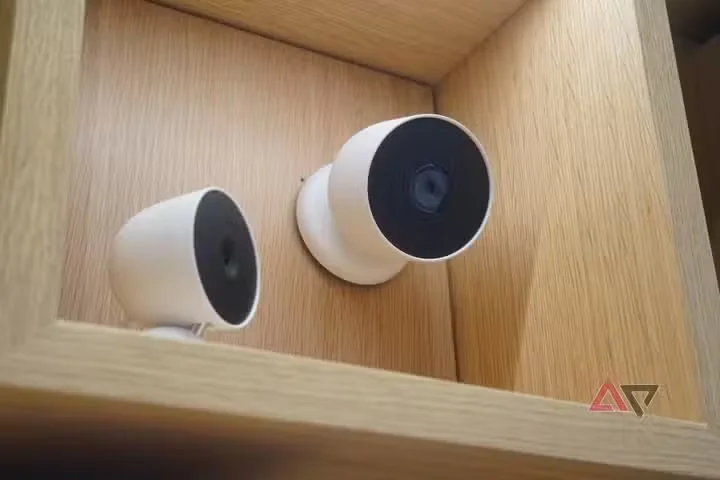
Sound detection is one of those Google Nest features that most owners never enable, buried in settings as an accessibility tool for hearing alarms, crying babies, and running water. One writer repurposed it for a different question entirely: exactly how much does my dog bark when I am not home? The answer arrived through the Nest app's event log, timestamped and classified.
The mechanism is simple. Nest speakers and displays can listen locally for specific sound categories and push a notification when they match, with the audio processed on-device rather than uploaded. Enabling barking detection turns any spare speaker in the living room into a passive recorder of separation-anxiety episodes: each bark event appears with a timestamp, and the pattern over a week sketches the dog's afternoon with uncomfortable precision.
The results are more useful than expected. Brief bursts around the departure moment and again at predictable afternoon intervals suggest the barking is routine-driven rather than constant, which reframes the problem from a behavioral emergency into a schedule adjustment — a walk before the owner leaves, a puzzle feeder, a radio left on. It also flags when the problem is genuine separation distress that warrants a trainer or a veterinarian.
The privacy trade-off deserves a note: a device configured to listen for barking is a device always listening, even locally, and households with guests or sensitive conversations should weigh that. As a demonstration of what unused Nest settings can do, however, the experiment is a persuasive argument for opening the detection menu and deciding what your home should be allowed to hear.