Marketing claims age poorly, but this one has receipts: Formula 1 drivers, whose recovery schedules are scrutinized by performance teams, sleep on smart beds. One writer investigated whether the technology that supports elite athletes earns a place in an ordinary bedroom, or whether it is a premium mattress tax wearing a lab coat.
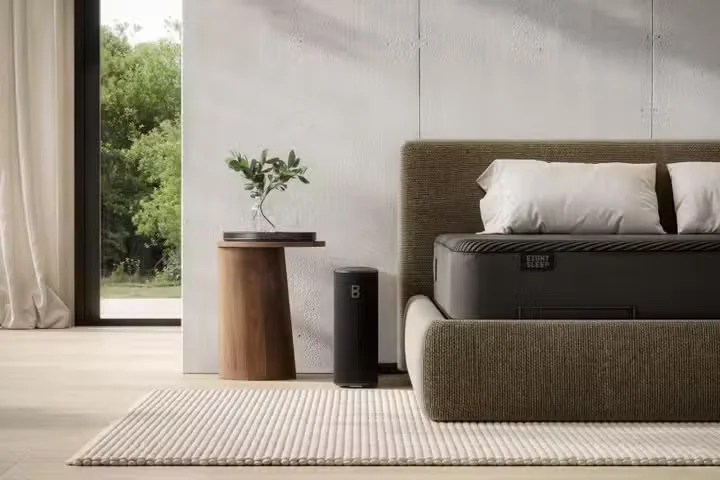
A smart bed earns the name through three mechanisms. Adjustable air chambers let each side of the mattress hold a different firmness, solving the partner compromise that no topper can fix. Active temperature control circulates water or air to cool one sleeper and warm the other through the night, targeting the thermal dips that fragment deep sleep. Integrated sensors track breathing rate, heart rate, and movement without a wearable, producing sleep-stage data that correlates reasonably with clinical measures.
The F1 connection is less mystical than it sounds. Drivers face compressed recovery windows, travel across time zones weekly, and lose reaction time to a bad night, so any tool that measurably improves sleep continuity gets adopted. The transferable lesson for a civilian is the one the teams apply: consistency of the sleep environment beats optimization of sleep duration.
The decision framework is honest about the price. Smart beds cost several times a quality conventional mattress, require an outlet and a hub, and lock some features behind app accounts. For couples with mismatched sleep preferences, hot sleepers, or anyone whose sleep genuinely affects their day, the case is real. For a single side-sleeper happy with foam, the F1 halo is not worth a bedroom subscription.