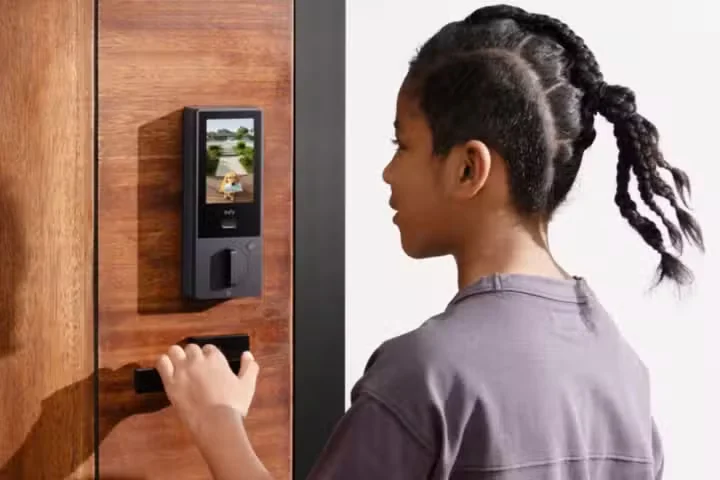
Biometric door locks have a history of awkwardness: fingerprints that fail with wet hands, faces that misfire on delivery drivers, and prices that assume security anxiety justifies anything. Eufy's palm-detection smart lock took a different bet — reading the vein pattern of a palm, which works at a casual reach distance and ignores surface moisture — and the market response has been decisive enough that the lock just hit its lowest recorded price.
The palm approach solves a real ergonomic problem. A user approaches the door carrying groceries and presents an open palm rather than pressing a fingertip to a cold sensor or tilting a face into a camera at eye level. The vein pattern is harder to fake than a surface print and, because the sensor reads internal structure, gloves and dirt defeat it far less often than competing modalities. Backup entry via keypad, app, and physical key remains standard.
The price drop matters more than the feature list. Smart locks live in a dead zone where buyers hesitate between good and great; an all-time low pushes this one into the range where it competes with a conventional deadbolt plus a zigbee, thread, Z-Wave) and keeps automations running when the internet is down.">smart hub. For renters with permission and homeowners alike, that is the threshold at which biometric entry stops being an enthusiast purchase.
Before ordering, check the practical fit: door thickness, strike alignment, and whether the lock's ecosystem — the Eufy app and whichever smart home platforms the model supports — matches the household's assistants. The discount will not fix an incompatible install, but for a compatible door it is the best entry point the category has offered.