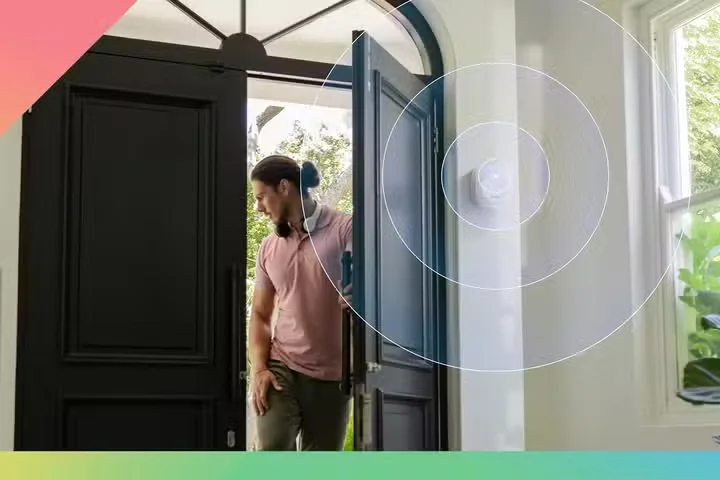
Proximity-based automation is the smart home equivalent of the flying car: promised every year, delivered never. Google Home's phone-location triggers have failed the same way for the same reasons for years — battery optimization killing background services, geofences drifting by hundreds of meters, and a phone that reports location only when it feels like it. After years of tolerance, one writer finally found the trigger that stops the sabotage.
The fix is a change in what the automation trusts. Instead of asking a phone where it is, the reliable pattern asks the network whether the phone is home — a Wi-Fi connection sensor, a device presence check, or a router-level integration that reports join and leave events deterministically. The phone's role shrinks to being a thing on the network rather than a thing that reports itself, which removes the entire class of failures caused by aggressive battery management and stale location caches.
The difference in daily life is subtler than it sounds and more valuable. Arrivals and departures fire once, correctly, which means goodnight routines actually run when everyone is home and security modes actually arm when the last person leaves. The failure mode of a bad trigger is not just a light that stays on; it is learned distrust, after which the household stops relying on automation entirely.
The caveat is that network-presence triggers assume a stable home network and a phone that does not disconnect when the screen sleeps; a smartwatch or secondary device can serve as the anchor. But for anyone still fighting Google Home's location triggers, the lesson is blunt: stop trusting the phone's map app and trust the router instead.