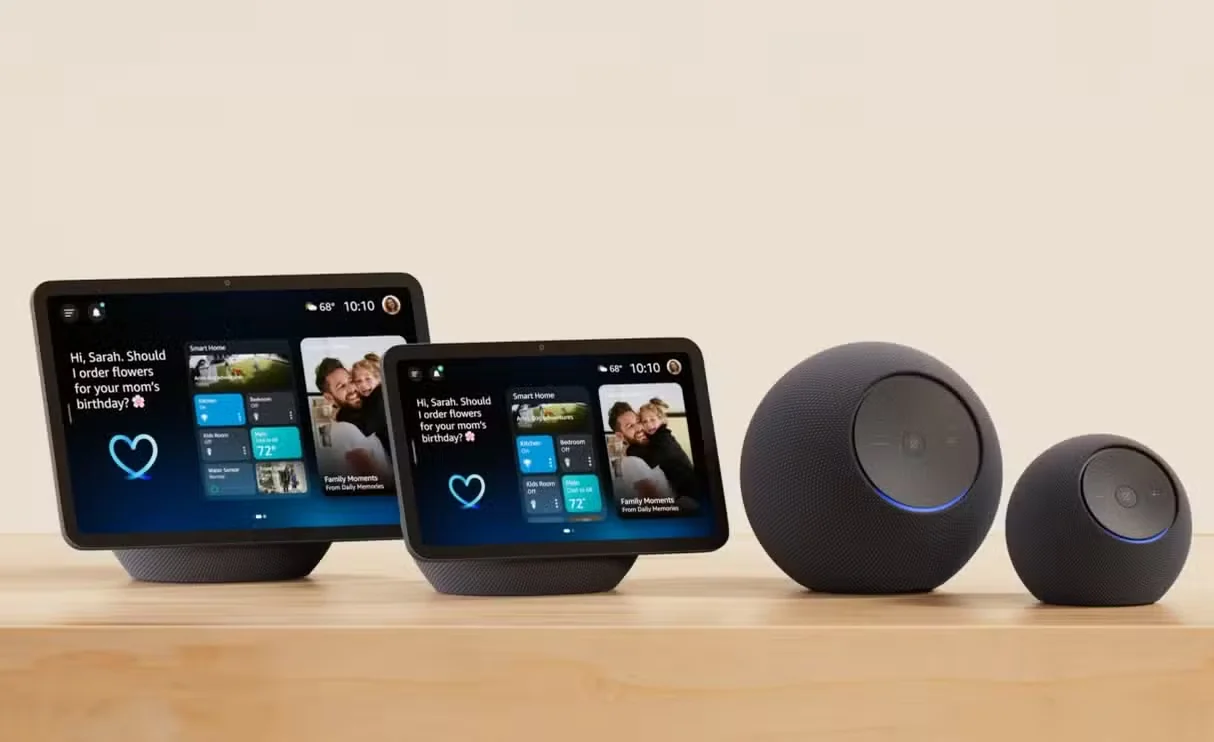
Six months ago, one household made a rule: nobody touches a smart switch. Not the wall panel, not the app, not a voice command issued out of habit. The lights, thermostat, and media system would run on presence alone. The experiment in hands-off automation has held, and the result is less a gadget story than a behavioral one.
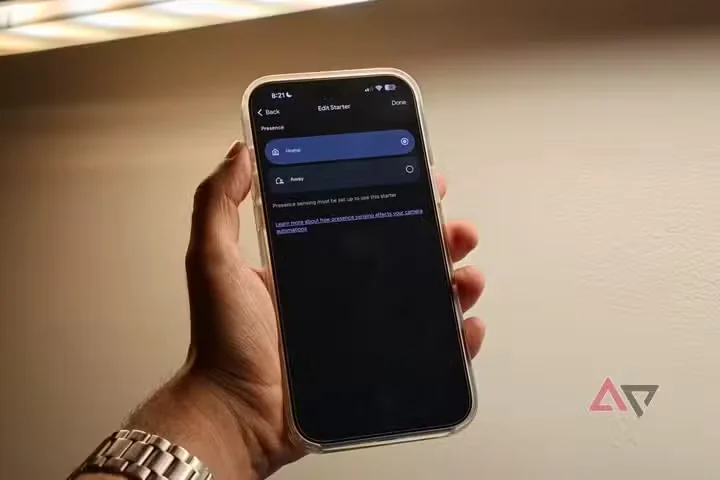
The architecture is presence-based routines layered across the day. Arrival unlocks the entry light and resumes the thermostat; sunset shifts lighting temperature; the last phone leaving the network at night arms security and drops everything to off. Sleep detection and door sensors fill the gaps where phones sleep. The critical design choice was redundancy: no single trigger has to be perfect, because overlapping signals cover each other's failures.
The measured benefit is the elimination of micro-decisions. Toggling lights manually is not burdensome in isolation; it is the accumulation of small interactions that makes a smart home feel like a second job. Removing the toggles also removed the arguments about who left what on, and guests never learn the panel. Energy behavior improved incidentally, because lights now turn off reliably in empty rooms.
The honest caveats: presence automation fails asymmetrically, annoying when it breaks and invisible when it works, and it demands a maintenance habit — checking that sensors report and that no device has quietly dropped off the network. Households should keep a physical fallback for the night the automation misfires. But six months in, the verdict stands: the best smart home interface is the one nobody uses.