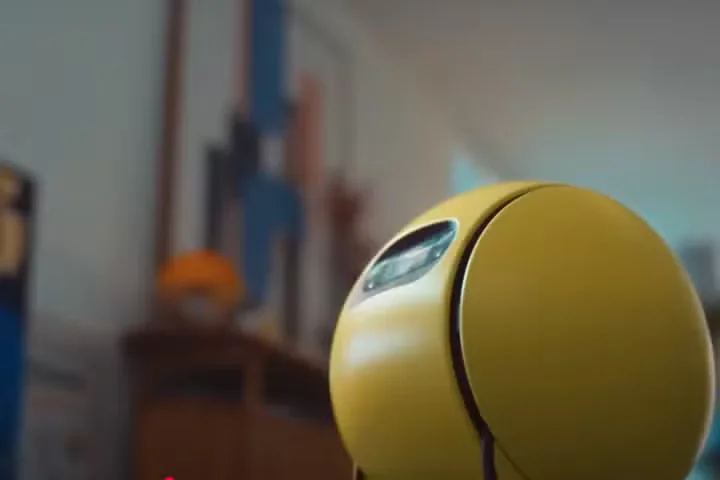
Samsung's Ballie, the projector-topped robot companion unveiled with enormous ceremony, has gone quiet in the way that products go quiet right before they are discontinued. The device has not shipped at the scale or pace the announcements implied, and the internal silence is deafening. Yet the rumors refuse to die, because the SmartThings app interface has started surfacing traces of the robot that should not exist.
App UI archaeology is an imperfect but real signal. Strings, menu entries, and device-type stubs that appear in released software usually reflect work that exists somewhere behind the curtain. When a platform quietly re-adds references to a project everyone assumed canceled, two readings compete: either Samsung is reviving Ballie in a new form, possibly folded into its broader AI assistant strategy, or the codebase is simply haunted by an abandoned branch that nobody cleaned.
The broader context makes the question sharper. Samsung has poured attention into AI features across televisions, phones, and appliances, and a roaming home robot was always the most expensive piece of that vision. The collapse of the companion-robot category around it — dead startups, discontinued rivals — argues that Ballie was ahead of a market that never formed, while the surviving references argue the company has not let go of the idea.
For consumers the practical advice is simple: do not build a smart home strategy that depends on a robot that may never arrive. Watch the app, wait for an actual launch date, and treat every UI ghost as a question rather than an answer.