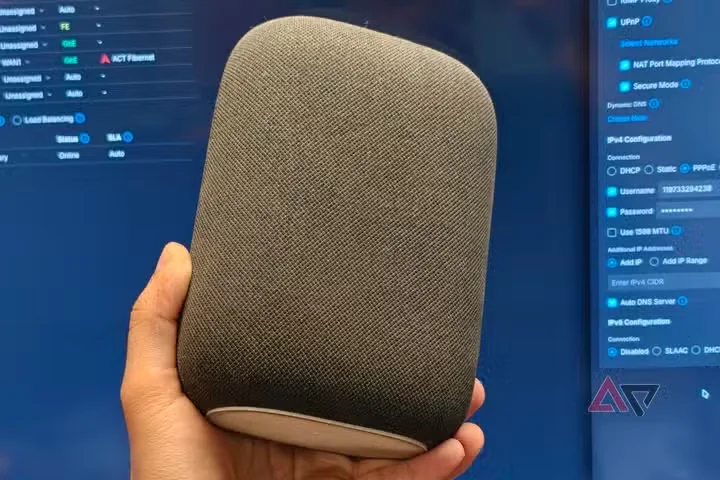
Intermittent connectivity is the most maddening class of smart home failure. A Nest speaker that drops offline twice a day, recovers on its own, and reports perfect signal strength at every check is a device that gaslights its owner. Forums fill with factory resets and router replacements that never fix the pattern. The actual culprit, in one writer's case, was IPv6 — and disabling it ended the ghosting.
The mechanism is a compatibility gap rather than a broken device. Google's Nest speakers attempt IPv6 connections when a network advertises it, and some router or ISP configurations hand out IPv6 routes that are half-working: reachable for the initial handshake, silently broken for the long-lived connections that streaming audio and voice requests depend on. The speaker times out, falls back, reconnects, and the cycle repeats while the app shows a healthy connection.
The fix is surgical and low-risk. Turning IPv6 off in the router's LAN or DHCP settings forces the speaker onto the IPv4 path it should have used anyway. The downside is philosophical rather than practical: IPv6 eases address exhaustion, and a modern network ideally runs both stacks. But a smart home device cannot pay for architectural principle with reliability, and no other household traffic measurably suffers from the change.
Anyone chasing a flaky Nest device should test the hypothesis cheaply: disable IPv6 for an afternoon and watch whether the dropouts stop. If they do, the router firmware — not Google, not the speaker — owns the bug, and updating it is the permanent repair.