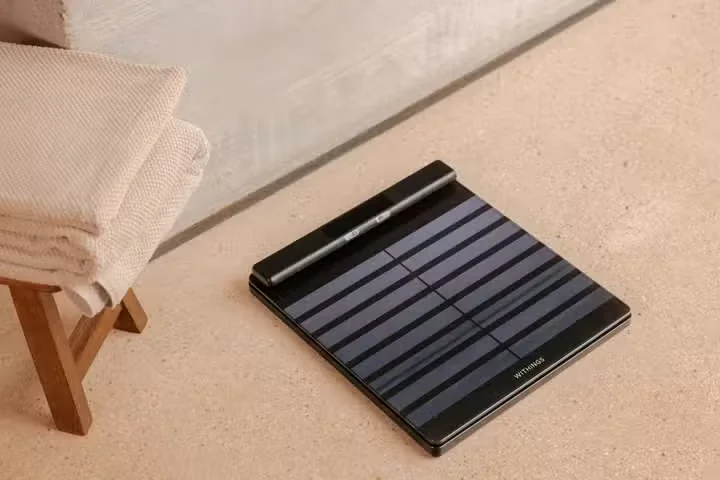
A bathroom scale is the least trusted object in a health routine, which is why Withings priced the BodyScan 2 at $600 and made it about trust. The flagship scale measures far beyond weight and body composition: the pitch is a device that knows your body better than you do, and the price forces the question of whether the knowledge is worth the premium.
The hardware stacks sensing modalities that cheaper scales skip. Segmental bioelectrical impedance estimates muscle and fat by limb, an integrated ECG captures heart rhythm, and readings for nerve activity and arterial stiffness target signals usually reserved for clinic visits. Data flows into Withings' app, which trends everything longitudinally and exports to the major health platforms. For a user tracking medication, training, or cardiac symptoms, the value is having clinical-adjacent measurements taken daily without leaving the bathroom.
The skepticism is equally legitimate. Consumer ECG traces are screening tools, not diagnoses, and arterial-stiffness estimates carry error bars a physician would notice. Weight and body-composition numbers fluctuate with hydration, meals, and time of day, which means the trend matters and any single reading is noise. A $600 device also assumes a household that will use it consistently; scales abandoned after three weeks are the most expensive paperweights in consumer electronics.
The verdict lands on the buyer's relationship with data. For quantified-health enthusiasts, chronic-condition trackers, or anyone whose doctor asks for daily measurements, the BodyScan 2 earns its price through sheer measurement breadth. For everyone else, a fraction of the cost gets the same weight, and the difference is a spreadsheet.