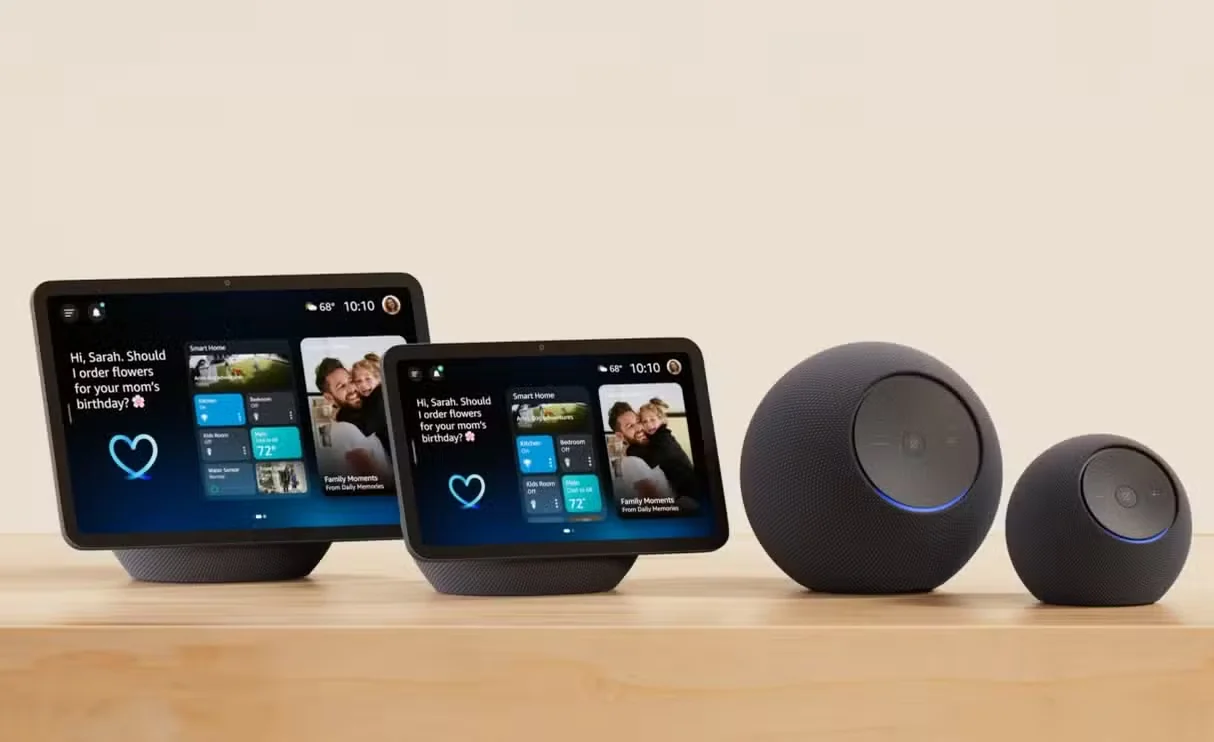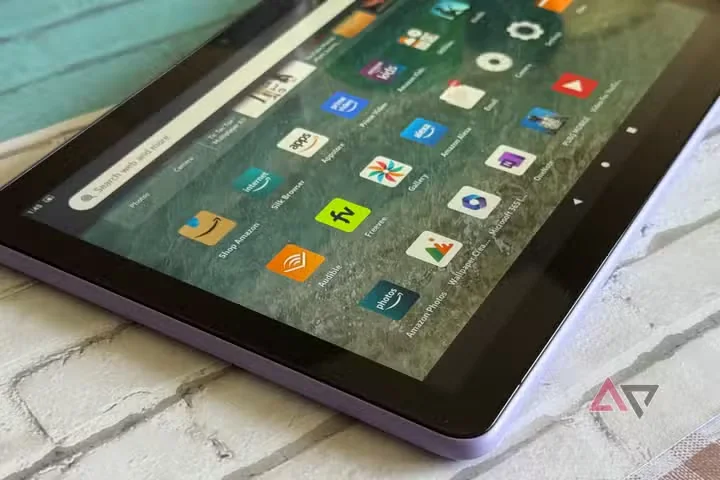
Smart displays were supposed to become the command centers of the modern kitchen, yet for many owners the reality is a laggy, limited screen that struggles to keep up with daily use. One long-time user of a dedicated smart display finally reached the breaking point and replaced it with an ordinary tablet, and reports that the swap completely transformed how the kitchen hub functions. Where the smart display stuttered through timers, recipes, and video calls, the tablet responds instantly, renders web pages properly, and handles far more than a single voice-assistant interface allows.
The comparison exposes a structural problem with smart displays as a category. Their hardware is deliberately modest to keep prices low, which means the software experience degrades as features pile on over the years. A midrange tablet, by contrast, ships with a faster processor, a better camera, and a real browser, and it can run the same voice assistant app alongside everything else. Add a simple wall mount or charging dock and the tablet occupies the exact same footprint the display once did.
There are trade-offs worth acknowledging. Tablets invite distractions like email and social media into a space where glanceable information used to dominate, and they generally lack the far-field microphones that make dedicated displays useful across a noisy room. Battery life and operating-system update cadence also vary widely between models. Still, for anyone already owning a tablet gathering dust, this experiment suggests the expensive smart display may be the least necessary gadget in the kitchen.