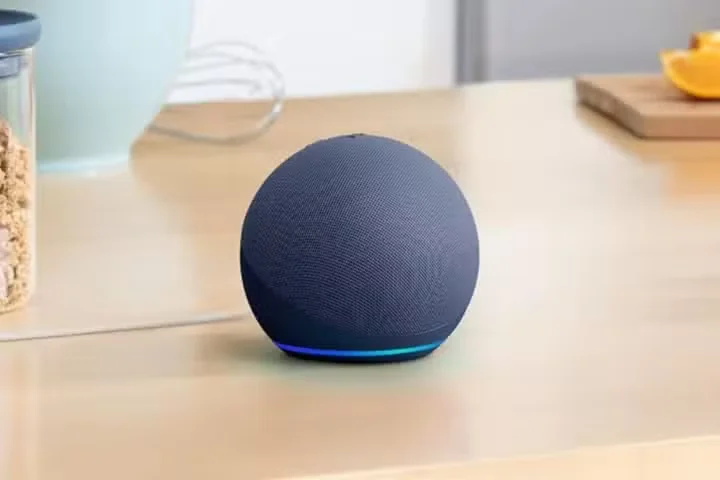
Anyone who has shouted a command at an Echo across a busy room knows the particular frustration of being ignored. What many users do not realize is that a little-known Alexa feature can dramatically reduce those failed interactions: the assistant's end-of-listening detection stops waiting for speech far sooner than most people expect, and adjusting how quickly the microphone closes after a command changes the whole experience. One frustrated owner enabled the setting and reports that yelling at the speaker has essentially become a thing of the past.
The underlying issue is a mismatch between hardware behavior and human habits. Echo devices use beamforming microphones and on-device wake-word processing, then decide locally when a user has finished speaking. If the cutoff is too aggressive, the tail end of a command gets clipped, Alexa mishears the request, and the user repeats themselves at volume. Loosening or tightening that window, and training a slightly clearer speaking pattern, resolves most cases without any third-party tools or hardware changes.
The fix also highlights a broader design lesson for voice assistants. Manufacturers bury configuration options that materially affect daily reliability, leaving customers to assume the product is simply unreliable. Before returning an Echo or muttering at it all evening, owners should open the Alexa app, audit the listening and response settings, and re-run the voice profile setup if available. It takes two minutes, and for households with background noise, young children, or accents the assistant struggles to model, the payoff in patience and decibels can be immediate.