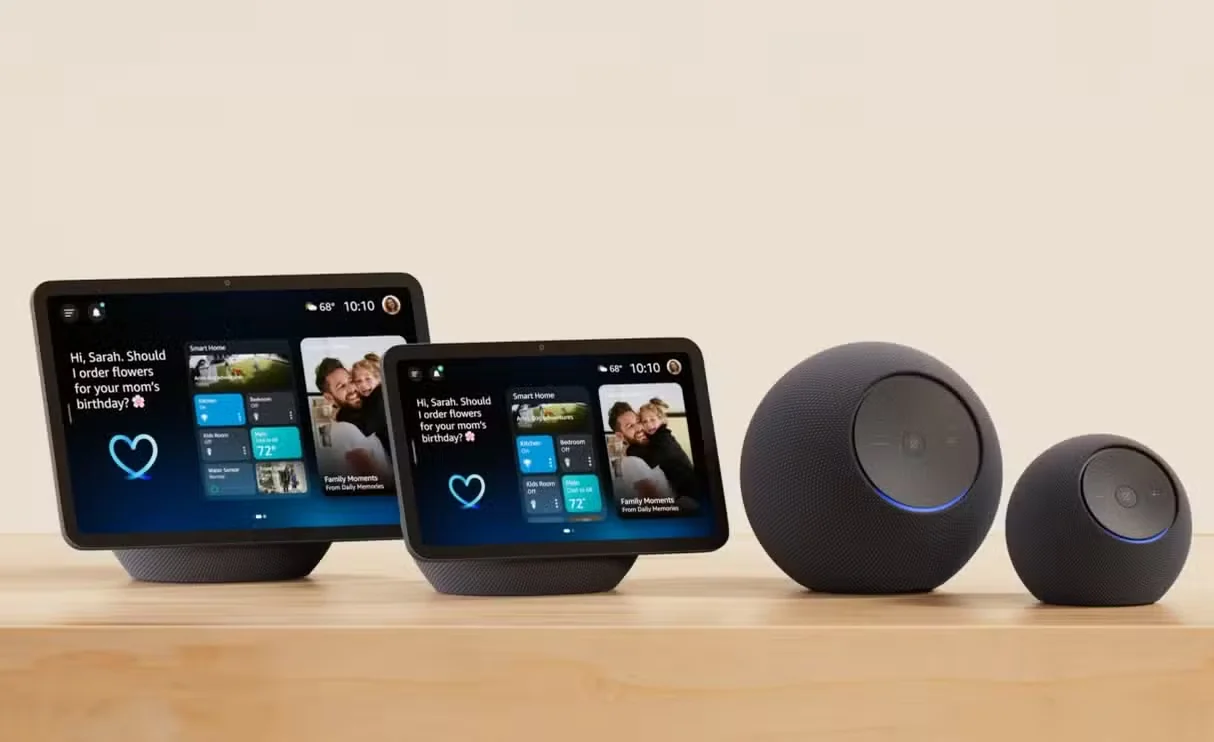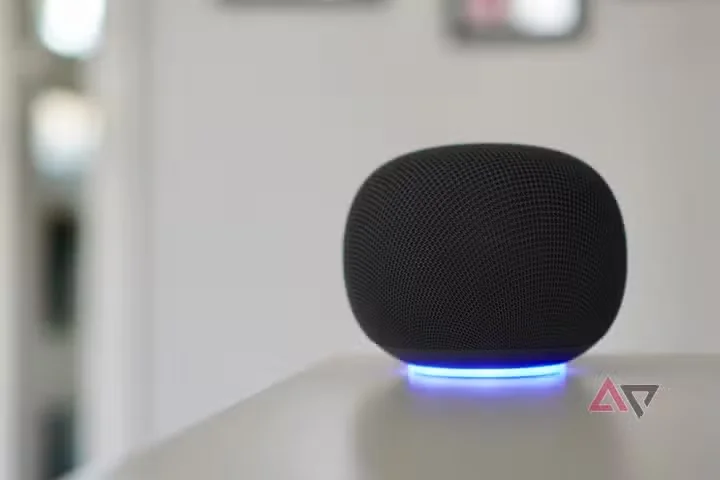
Swapping a screen-equipped hub for a screenless smart speaker sounds like a downgrade no one should miss, yet one Google fan discovered the reverse after replacing a Pixel Tablet with the new Google Home Speaker. Within a day, the things that once seemed like luxuries — video answers, visual timers, the ability to glance at a calendar while cooking — had vanished, and the speaker's audio-first design suddenly felt like a step into the past rather than a focused return to music and voice.
The experience captures a real dilemma in Google's current smart home strategy. The company's audio-only hardware is genuinely good: the speaker delivers fuller sound than the old Nest Audio, and Gemini integration makes conversations noticeably smarter. But Google's ecosystem still leans heavily on screens for the things that differentiate it from a plain Bluetooth speaker, and the Nest Hub line has grown stale. Buyers who want visual information have almost no fresh option, so every audio-only purchase quietly surrenders capabilities they did not know they valued.
For readers weighing the same switch, the honest advice is to inventory what the screen actually does before giving it up. If the tablet mostly sits idle showing the weather, a speaker is a fine replacement and likely sounds better. If it runs video calls, recipe steps, and camera feeds, the downgrade will sting. Google's hardware roadmap may eventually close the gap, but until a competitive smart display arrives, the two categories serve genuinely different households, and pretending otherwise sets buyers up for regret.