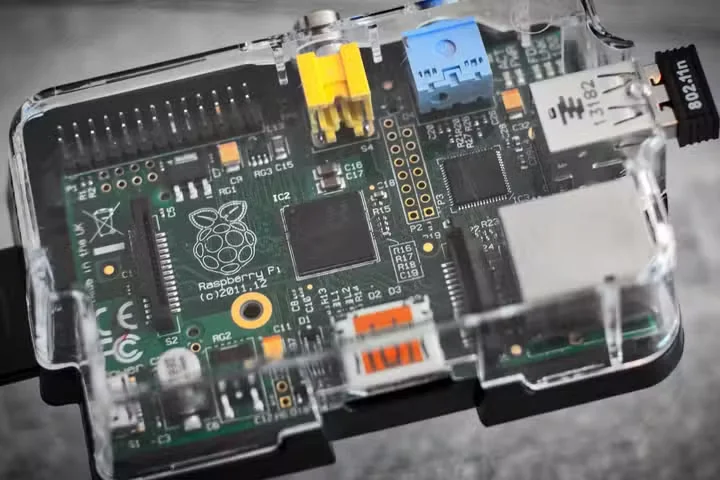
Subscription fatigue has reached the humble backup drive. One tinkerer who was quietly bleeding money on cloud storage every month decided to put an always-on Raspberry Pi to work as a personal backup server, and reports that the project eliminated the recurring bill entirely. The Pi sits on the network, accepts uploads from phones and laptops, and keeps copies of irreplaceable files under the owner's direct control rather than inside someone else's data center.
The economics are straightforward. Cloud storage runs a few dollars per month for modest quotas, which compounds indefinitely, while a Pi and an external drive cost a fraction of that up front and then draw minimal power. The setup typically pairs the board with software like Nextcloud, Syncthing, or a plain Samba share, plus an automated sync schedule and a second copy on an offline drive. That last point matters: a backup server in your own home is only as safe as your discipline about off-site or cold copies, because fire, theft, and ransomware do not respect clever self-hosting.
There are honest caveats. Self-hosted backups demand occasional maintenance, and a forgotten failed drive can turn a safety net into a false sense of security. Remote access requires careful configuration to avoid exposing the network. But for users who already own the hardware, the project converts a dormant single-board computer into genuinely useful infrastructure, and proves that the smartest home server is often the one already blinking on the shelf.