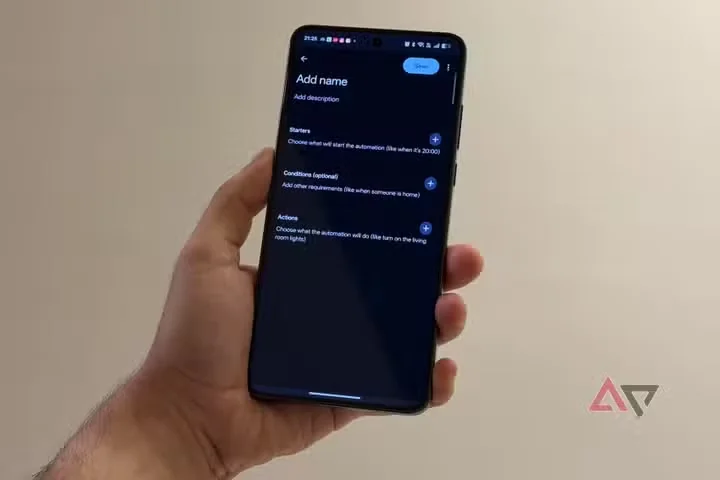
A smart home that constantly needs babysitting is a smart home that is failing, and one user had accumulated months of half-broken routines before finally sitting down with Google Home's rebuilt automation editor. The result, after a single afternoon of rebuilding, was a set of custom routines that actually work — and an explanation of why so many Google Home setups feel permanently on the verge of collapse.
The root of the problem is usually structural rather than technical. Legacy Google Home routines were built around rigid triggers and coarse conditions, so automations that seemed clever on paper misfired in practice: lights switching on for the wrong person, morning sequences firing on holidays, presence rules collapsing whenever a phone's location drifted. The newer editor supports layered conditions, time windows, device-state checks, and clearer logic flow, which means a routine can finally encode what a household actually intends instead of the closest approximation the old builder allowed.
The experience carries a useful lesson for anyone stuck in the same cycle of patching broken rules. Delete the accumulated workarounds, rebuild from a written list of what should happen and when, and test one automation at a time before chaining them together. It takes longer than editing in place, but the result is a system you understand rather than one you fear touching. Months of irritation, solved in an afternoon — the fix was not a new device, just tools finally good enough to express the original idea.