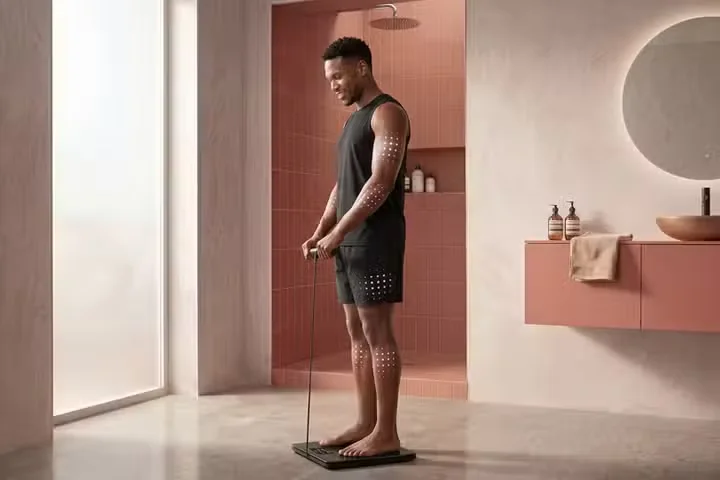
Withings has positioned its new BodyFit smart scale squarely at the defining weight-loss trend of the moment, pitching a 10-second body scan as the tracking tool the medication-assisted weight loss generation needs. As GLP-1 drugs like Ozempic reshape how millions of people approach body composition, the demand has shifted from simple bathroom scales toward devices that can show what is actually happening inside the body — and Withings is betting that frequent, effortless measurement is the feature that converts that demand into sales.
The premise is sound in principle. Weight-loss medication can change the ratio of fat to lean mass, and scale weight alone hides that story entirely. Bioelectrical impedance analysis, which sends a tiny current through the body to estimate composition, provides the trend data that matters when the goal is preserving muscle rather than merely shrinking. A 10-second scan that syncs automatically to a phone app removes the friction that kills most tracking habits, and Withings' software presents the results as long-term curves rather than the daily noise that derails motivation.
The caveats are the honest ones every reviewer should repeat. Consumer impedance scales estimate; they do not measure, and hydration, meals, and time of day swing readings enough that trend direction matters far more than any single number. For anyone whose treatment plan is managed by a physician, BodyFit data supplements clinical assessment rather than replacing it. As a habit tool for the medication era, though, it is one of the few smart scales built around the actual question patients are asking: not how light am I, but what am I losing?