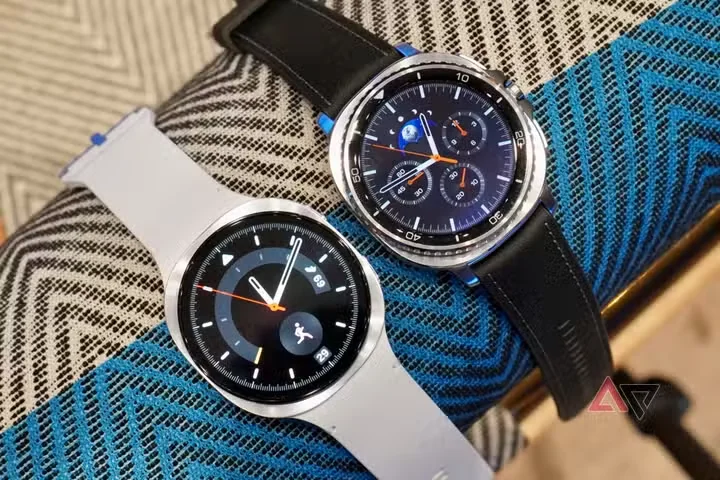
Samsung has spent years treating sleep as something its Galaxy wearables measure, but the company's latest direction suggests the next step is acting on that data. Upcoming updates are expected to make Galaxy watches, buds, and rings noticeably smarter about keeping sleepers comfortable through the night, moving beyond passive sleep scores toward adjustments that respond to what the body is actually doing. The premise is simple: a watch already knows when your sleep turns restless, when your skin temperature drifts, and when you slip between light and deep stages, so it is uniquely positioned to trigger changes that help you stay asleep rather than just report how poorly you slept.
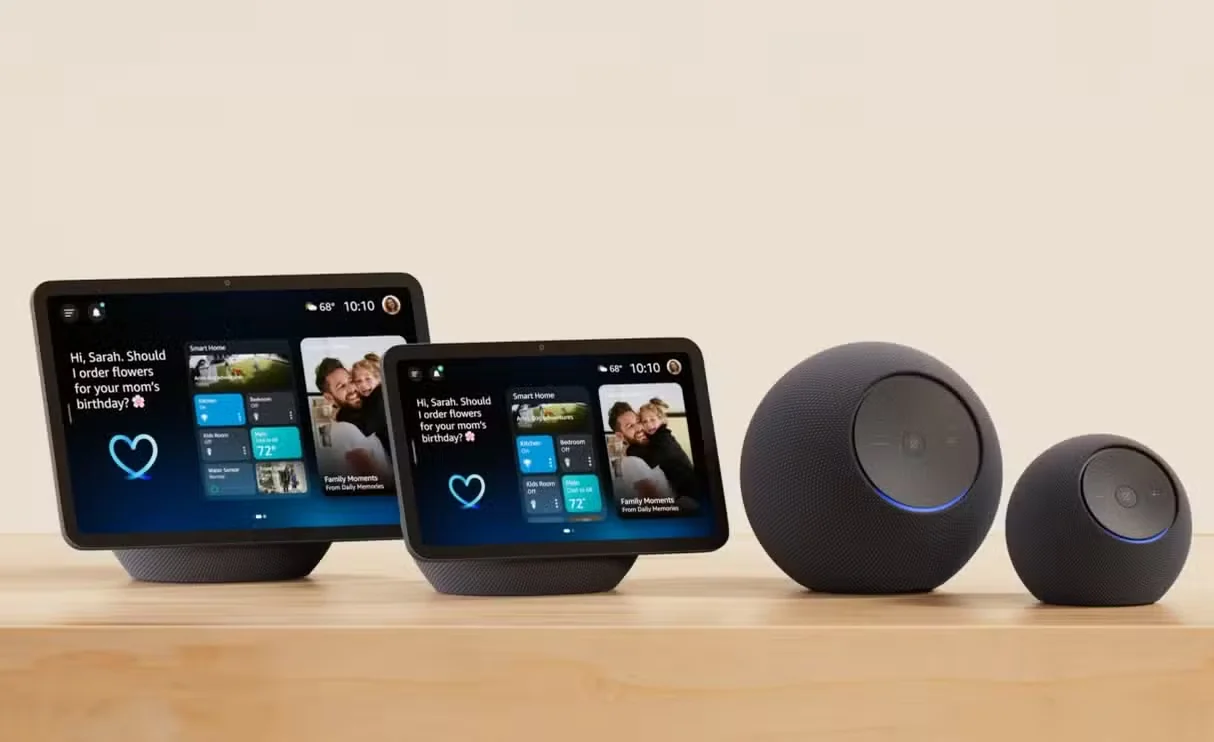
The practical appeal depends heavily on SmartThings, Samsung's platform for connected lights, thermostats, air purifiers, and smart beds. A wearable that can nudge the bedroom a degree cooler when it detects heat-driven stirring, or dim a display when it senses you are drifting off, turns a fitness tracker into a conductor for the whole room. That integration is where Samsung holds an advantage over rivals whose wearables remain comparatively isolated from the broader home, and it positions Galaxy hardware as the most sleep-focused option for households already inside the Samsung ecosystem.
There are good reasons for caution, however. Sleep science is humbling territory, and consumer wearables still estimate rather than diagnose, so automated responses built on imperfect signals can easily wake a sleeping partner or chase phantom problems. Battery life is another constraint: wearing a watch all night means charging it somewhere, and users with lighter sleep often refuse the habit regardless of features. Comfort is also deeply personal, and a thermostat that second-guesses your settings at 2 a.m. can be more irritating than helpful. If Samsung lets the automation stay optional and transparent, the upgrade could be the most genuinely useful sleep feature the Galaxy line has shipped yet.