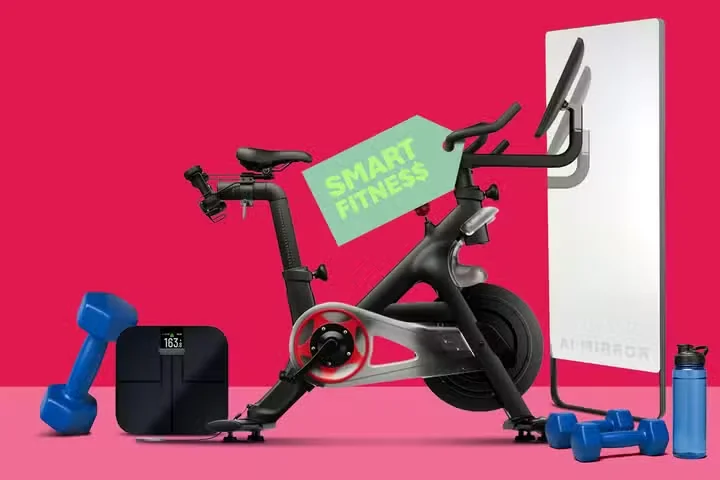
The Peloton model — a premium bike, a monthly membership, and a leaderboard full of strangers — convinced millions of people to exercise, but it never convinced me that the price was the only route to consistency. After years of experimenting, the pattern that actually kept me moving was not expensive hardware but a handful of streamlined, budget-friendly gadgets that remove friction and make progress visible. Fitness motivation is mostly a design problem, and cheap tools that solve it beat one expensive machine that intimidates.
The core of my setup is a modest wearable that tracks heart rate and steps, because having a number to beat is often enough to turn a reluctant walk into a real session. A couple of inexpensive smart scales keep long-term trends honest in a way that mirror memory cannot. A basic smart light strip beside the desk shifts color at workout time, functioning as a silent appointment reminder that costs less than a single Peloton class credit. Add a jump rope with a counter and a pair of adjustable dumbbells, and the total spend sits at a fraction of what a connected fitness machine demands — with no subscription line item haunting the credit card statement.
The philosophy behind the collection matters more than the specific products. Cheap gadgets lower the psychological cost of starting, which is the single biggest barrier to regular exercise; nobody feels guilty skipping a hundred-dollar habit. They also travel, store under a bed, and never lock features behind a paywall. The obvious caveat is that budget tools lack the coached classes and community that keep many people engaged, and data accuracy on the cheapest wearables can drift. But if the goal is staying motivated rather than owning the most impressive equipment rack, frugal and well-chosen wins the long race.