Google's annual developer conference returns today, and the keynote is expected to stretch from the company's familiar software strengths into hardware territory it has been circling for years. Android XR smart glasses headline the wish list, with Google positioning the glasses as the first real consumer category built on its extended-reality platform after partnerships with major eyewear and lens makers moved prototypes toward shelves. Gemini is the connective tissue throughout: expect announcements that push the assistant deeper into Search, Workspace, Android, and Chrome, along with new developer tooling that makes it easier to bake AI features into ordinary apps.
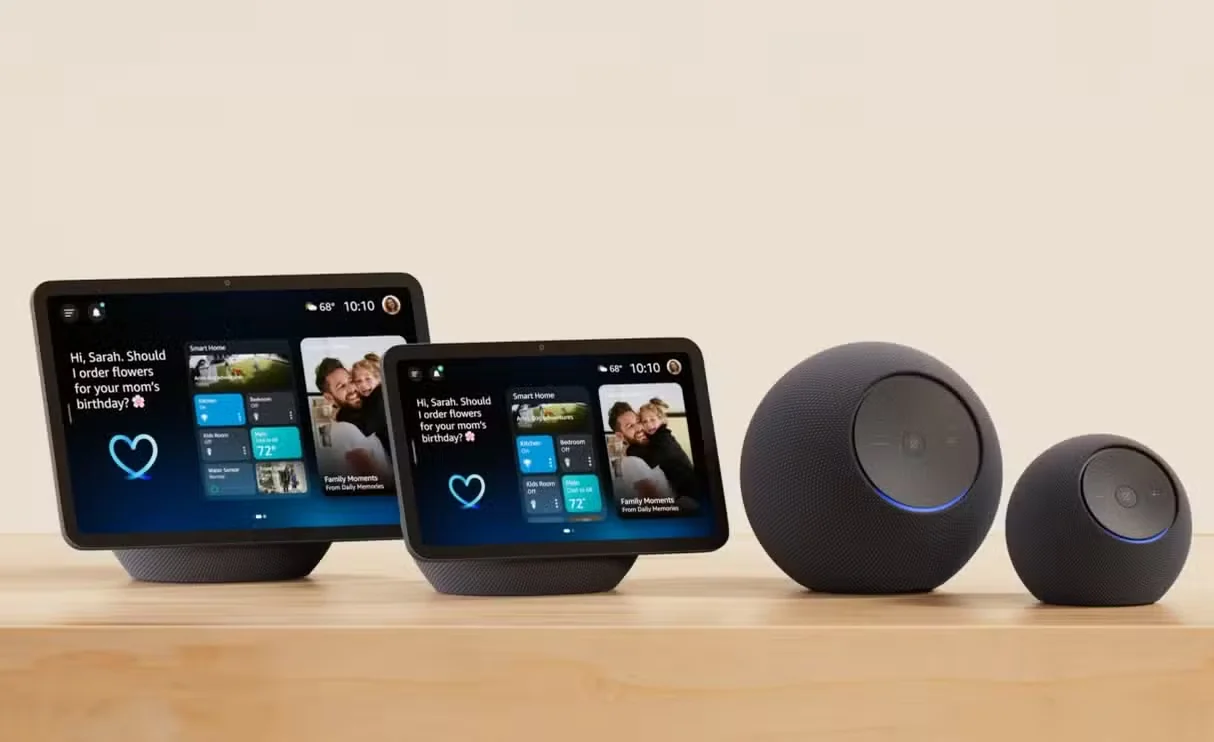
The smart home angle deserves attention from connected-home readers in particular. Google has spent the past year rebuilding Home around Gemini, launching a subscription tier, and hinting at new speaker hardware, and an I/O stage is the natural venue for dates, pricing, or a surprise device. Any expansion of Gemini's abilities inside the home — camera understanding, proactive routines, conversational control — would likely be framed here first before reaching ordinary users in staged rollouts.
For viewers, the keynote streams free on Google's official YouTube channel and the I/O site, typically beginning late morning Pacific time, with the full session archive posted within hours for anyone who cannot watch live. The practical advice is the same every year: treat launch-day demos as direction rather than deliverables, because several of the most hyped I/O moments have taken quarters or years to ship, and a few never shipped at all.
The bigger story may be strategic. Google is trying to convince developers and consumers that Gemini is not a feature bolted onto products but the foundation they are built on — and that glasses, phones, speakers, and TVs are all one ecosystem. Today's keynote is the clearest chance this year to judge whether that vision finally has the hardware to hang on it.