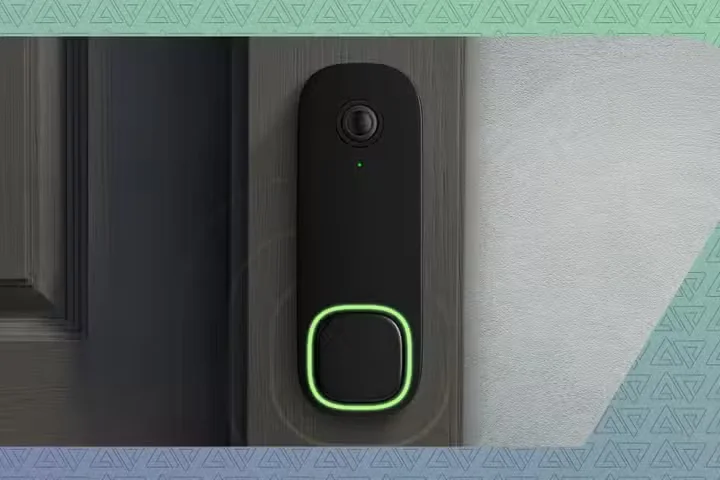
I bought my smart doorbell expecting one job: a notification when someone presses the button. What I did not expect was how many quiet, unexamined problems it would solve almost as a side effect. The peephole in my front door had become a fossil I never questioned, and the doorbell quietly retired it — along with the ritual of opening the door to a stranger, the guilt of missing deliveries, and the low-grade uncertainty of every unexpected knock.
The first surprise was answering the door from anywhere. A contractor arriving early could be waved off or invited in without anyone standing on the porch; a delivery left at the wrong unit became a two-minute conversation instead of a note on a windshield. Second-order benefits followed: the camera records who actually comes to the door, which turned out to be useful for everything from confirming a stolen package to identifying the neighbor's cat that keeps using the welcome mat. Motion zones replaced the old habit of checking the hallway through a cracked door, and nighttime visitors no longer require a trip downstairs at all.
There are caveats I wish reviewers mentioned more often. The delay between motion detection and a live view can feel awkward, cloud recording plans add a recurring cost, and a doorbell camera is, unavoidably, a camera pointed at anyone who approaches your home. Local storage options and careful zone settings soften both the subscription and privacy complaints. None of that changed my verdict. The device solved problems I had normalized rather than solved, which is the best argument for smart home technology: not novelty, but the quiet removal of daily friction you forgot you were tolerating.