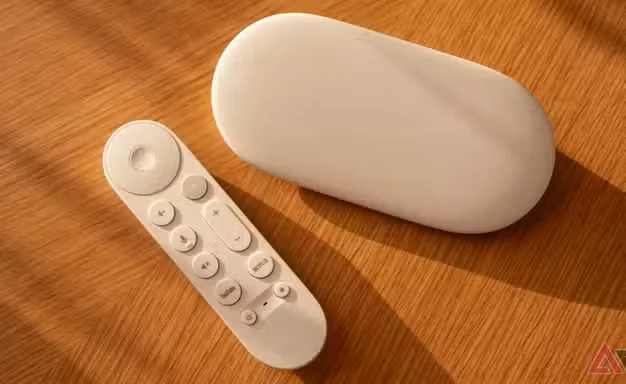
The Google TV Streamer arrived with a simple argument: the best way to experience Google's software on any television was a box that costs less than a soundbar and outperforms the sticks it replaced. That argument has lost force. Whatever goodwill the device built, recent developments have made it a noticeably worse transaction than it was at launch, and buyers comparing it against Roku and Amazon's Fire TV sticks should know why before checking out.
The core problem is value erosion. A streaming box is a commodity priced on what it adds over the competition — storage, processing headroom, thread and matter support, and software longevity. When the terms around any of those pillars shift unfavorably, the recommendation changes with them. Google's hardware history compounds the anxiety: past streaming devices received support windows that made buyers wary of long-term platform bets, and a premium over cheaper alternatives is only rational if the software keeps improving.
For existing owners, nothing breaks overnight. The interface stays fast, the remote still works across TVs and soundbars, and Google's recommendations remain among the better aggregators on the market. The practical advice is about timing and comparison: if the price has moved while the feature set has not, the Streamer's margin over a Roku Ultra or a discounted Fire TV Cube narrows to near zero.
The device is not bad. It simply used to be a great deal, and those are very different claims.