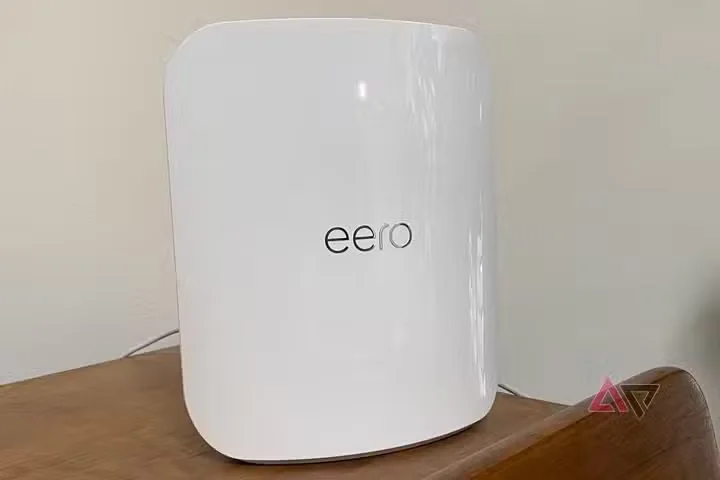
The FCC's move to restrict foreign-made routers sent a chill through the networking industry because the list of affected manufacturers was long and mostly overseas. The surprise twist is which brands just slipped through the gap: Amazon's eero line and the Leo home networking products are not covered by the ban, meaning two of the most prominent consumer mesh systems sold in the United States can stay on shelves and in carts while competitors scramble to restructure supply chains. The distinction matters for anyone whose next router purchase was already on a short list.
The regulatory logic is less about where a device is assembled than who controls the firmware and the data path. eero is an Amazon-owned company with substantial domestic engineering and cloud infrastructure, and Leo products are marketed through a US-based entity with a design and support footprint that regulators apparently judged sufficiently independent of foreign control. Both brands also tie closely to American cloud ecosystems — eero to Alexa and Amazon services, Leo to a US-based management platform — which aligns them with the policy's actual goal of reducing reliance on infrastructure that could be compromised by adversarial governments. That framing explains why the exemption is narrower than it first appears; it is a determination about specific companies, not a general reprieve for the category.
For consumers, the immediate effect is more choice than crisis. eero users can buy with confidence that support and firmware updates are not about to be legislated away, and the same applies to Leo owners. The longer-term picture is murkier: bans reshape markets, prices on restricted gear will likely rise, and security researchers remind everyone that no router is immune to vulnerabilities regardless of its flag. The real lesson is that smart home networking is now geopolitical infrastructure, and the brand on the box has started to matter as much as the specs inside it.