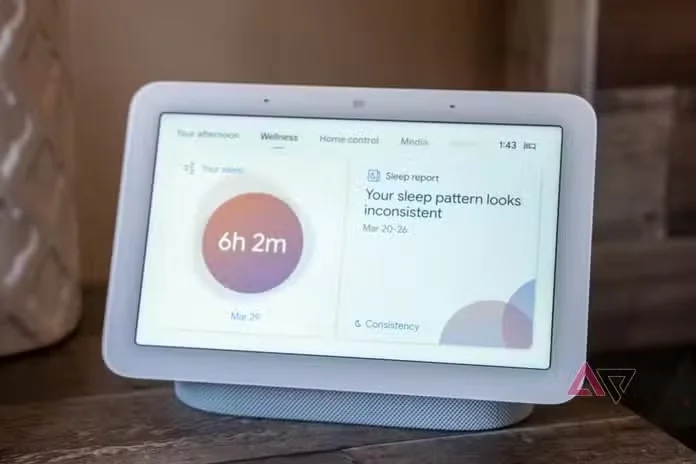
A bug that sounds almost comical is currently making real messes of Google Nest Hub schedules. Owners report that the hub's clock — and the alarms built on it — can confuse AM and PM, turning a 7 a.m. wake-up into a 7 p.m. ambush or silencing the alarm that was supposed to fire in the morning. The glitch surfaced in alarming fashion for users whose sleep sounds, routines, and morning briefings all hinge on the device knowing what time it is, and it is exactly the kind of failure that breaks trust in a product whose entire job is time-keeping assistance.
The mechanics behind the failure are worth understanding because they explain why something so basic goes wrong. Smart displays typically sync time from network sources, but alarms and routines are stored as local schedules that can desynchronize when a sync packet is mishandled, when a daylight-saving transition is parsed incorrectly, or when a firmware update changes how the device interprets a 24-hour value. A single flipped hour field is all it takes for AM to become PM. Because the display still shows a plausible clock face, the error stays invisible until the alarm misfires.
Google has acknowledged the problem and says a fix is in development, which is the correct posture for a defect that undermines a core function. Affected users are generally advised that deleting and recreating schedules is a shaky workaround, since the underlying bug can re-corrupt them, and that a phone alarm is the safer bet until the patch ships. The incident is a small but useful reminder about smart home reliability: the more a device quietly depends on network state, the more a single software mistake can turn a convenience into an inconvenience. The silver lining is speed — a company that patches its speakers overnight will patch a clock the same way.