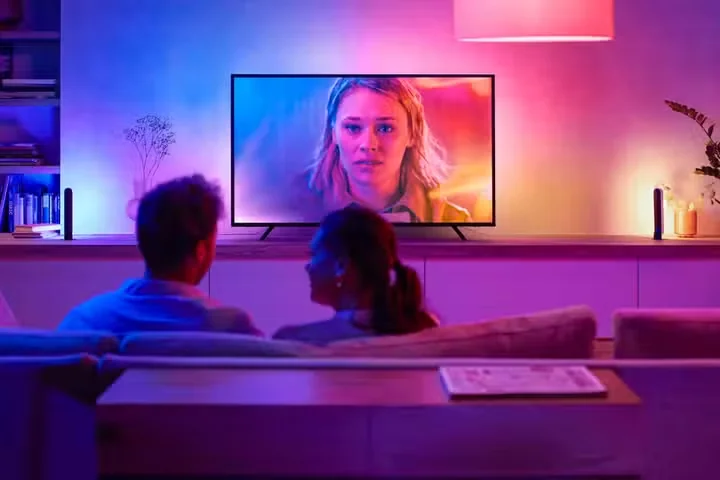
Philips is stepping away from Google TV on a new line of televisions and embracing one of the most widely adopted streaming platforms in the industry instead, a move that trades the breadth of the Google ecosystem for a leaner, faster smart-TV experience. The switch raises an obvious question for buyers: are the apps and features that disappear with Google TV worth the trade-off? For Philips, the answer appears to rest on simplicity. The platform it is adopting is praised for a snappy interface, a massive app catalog in its own right, and a remote design that has won it loyal fans among viewers who find full smart-TV operating systems bloated.
Google TV, meanwhile, has built its reputation on deep integration with the wider Google ecosystem. It surfaces recommendations across services, casts from Android phones with minimal friction, and ties into Google Home routines and Assistant commands. Owners who lean on those features, whether for smart-home control or for the unified watchlist that spans Netflix, Disney, and YouTube, will feel the absence most keenly. Channels that exist on one platform but not another also matter, and the catalog differences, while shrinking every year, are not zero.
The honest assessment is that this is a trade of power for polish. A household that treats the television as the command center of a connected home will want to stay with Google TV hardware. A household that mostly opens a handful of streaming apps, wants them to load quickly, and never touches voice control will likely prefer what Philips is proposing. Before committing, walk through your top five apps on both platforms and check whether the features you actually use survive the migration.