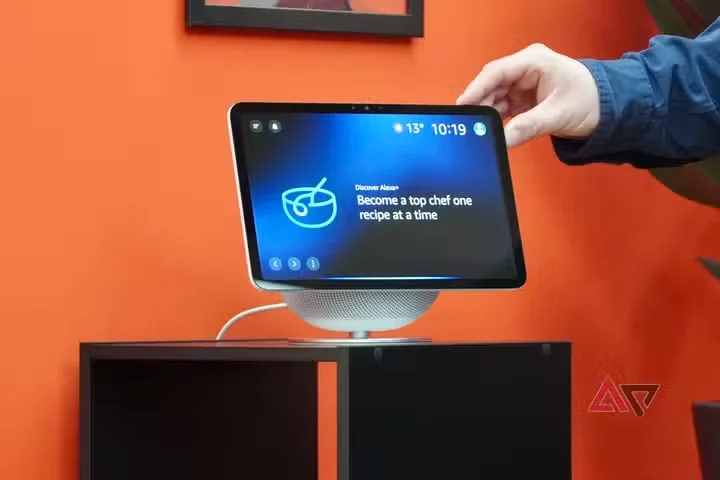
Amazon's Alexa+ is the first smart-home assistant in years that feels less like a voice-controlled timer and more like a genuine intelligence living in the house. Built on large language model technology rather than the rigid command-matching engine that defined the original Alexa, the upgraded assistant understands messy, overlapping, human phrasing and responds in kind. After spending extended time with it, the difference is not incremental; it changes what you believe an assistant should be capable of, from multi-step routines to conversations that do not reset after every sentence.
The capabilities that generate the most excitement are the ones the old Alexa never delivered. It can hold context across requests, answer open-ended questions about your calendar and shopping list, make reservations through pilot partnerships, and control an entire smart home from a single natural sentence instead of a memorized script. The signature feature lets you simply speak the name of the room and the device you want, rather than pre-naming every lamp and plug. For households drowning in half-working automation, that alone is a reason to pay attention.
There are caveats worth stating plainly. Alexa+ is a subscription for non-Prime members, which means the most capable version of the assistant now carries a recurring cost, and the service is still rolling out gradually to a limited number of early-access customers. Latency, while far better than expected, still trails the instant feel of a dumb speaker. But after a decade of assistants that misunderstood my basic requests, an assistant that actually understands them is worth the patience, and Amazon has finally built the product its name always promised.