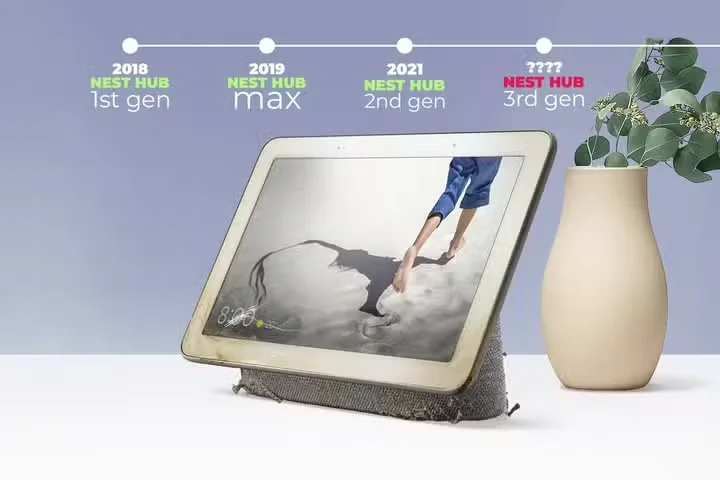
It has been roughly half a decade since Google released a new smart display, and the wait has curdled from patience into open disbelief among the people who still build their homes around Google's ecosystem. The Nest Hub line once looked like the future of the ambient computer: a screen on the kitchen counter that handled timers, video calls, photo frames, and smart-home dashboards without ever asking you to touch a phone. Then the updates stopped, the hardware aged in place, and competitors shipped generation after generation while Google's flagship display quietly became a relic.
The frustration is amplified because the software side has not stood still. Gemini is arriving on Google's smart displays, promising the kind of conversational intelligence that genuinely benefits from a screen, which makes the aging hardware underneath it feel even more inadequate. Owners are running modern AI on tablets with slow processors, dim panels, and microphones that were tuned for a 2021 product cycle. A new display with a faster chipset, a sharper screen, and better cameras would not be a luxury; it would simply be keeping pace with the assistant Google is now shipping.
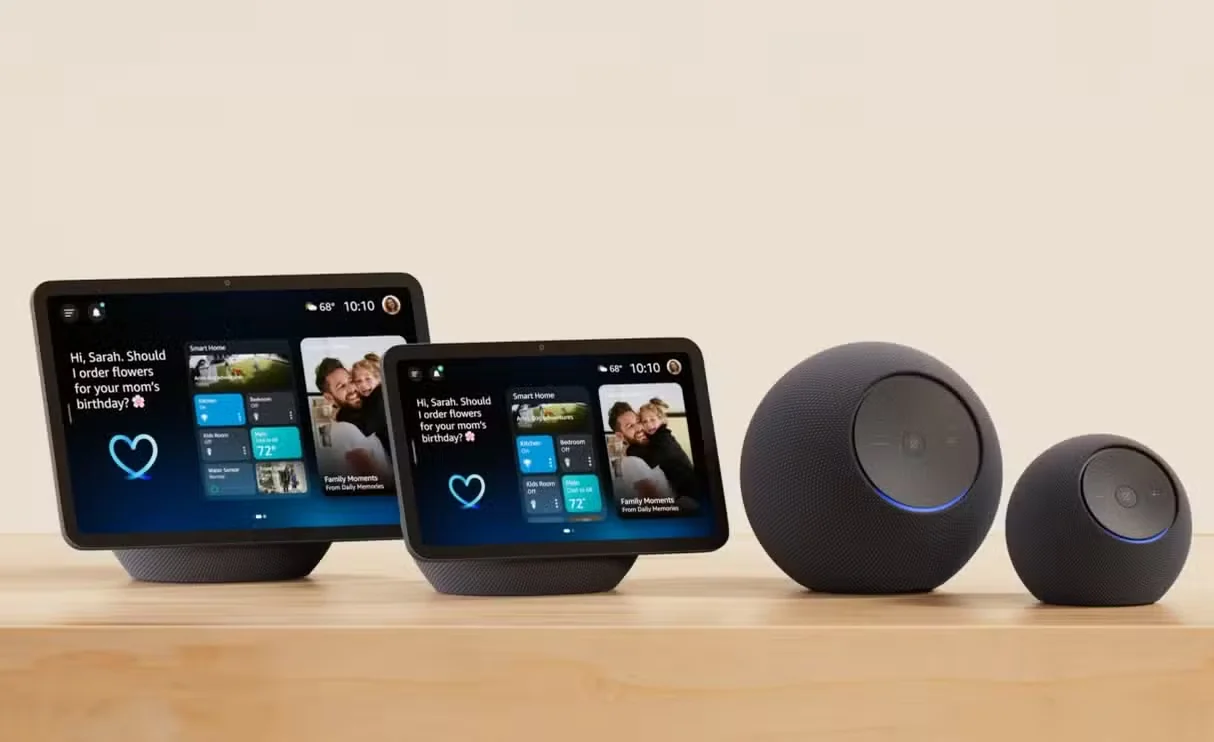
There are reasons to suspect the silence is strategic rather than accidental. Google has repeatedly signaled that it wants its assistant to live on phones, earbuds, and glasses before it lives on counters, and the smart display market has consolidated around Amazon's Echo Show line. But strategy does not help the customer who bought into the ecosystem on the promise of a screen everywhere. At some point, waiting for Google Home's next display stops being optimism and starts being a sunk cost, and the honest question every prospective buyer should ask is whether they want to be first in line when it finally arrives, or simply served by the one they already own.