![Google Home Devices Vanished from the App by the Thousands — and It Wasn't Just You [Update]](../images/Did_your_Google_Home_devices_just_stage_a_mass_exodus_You_re_not_alone_[Update]/img_00.webp)
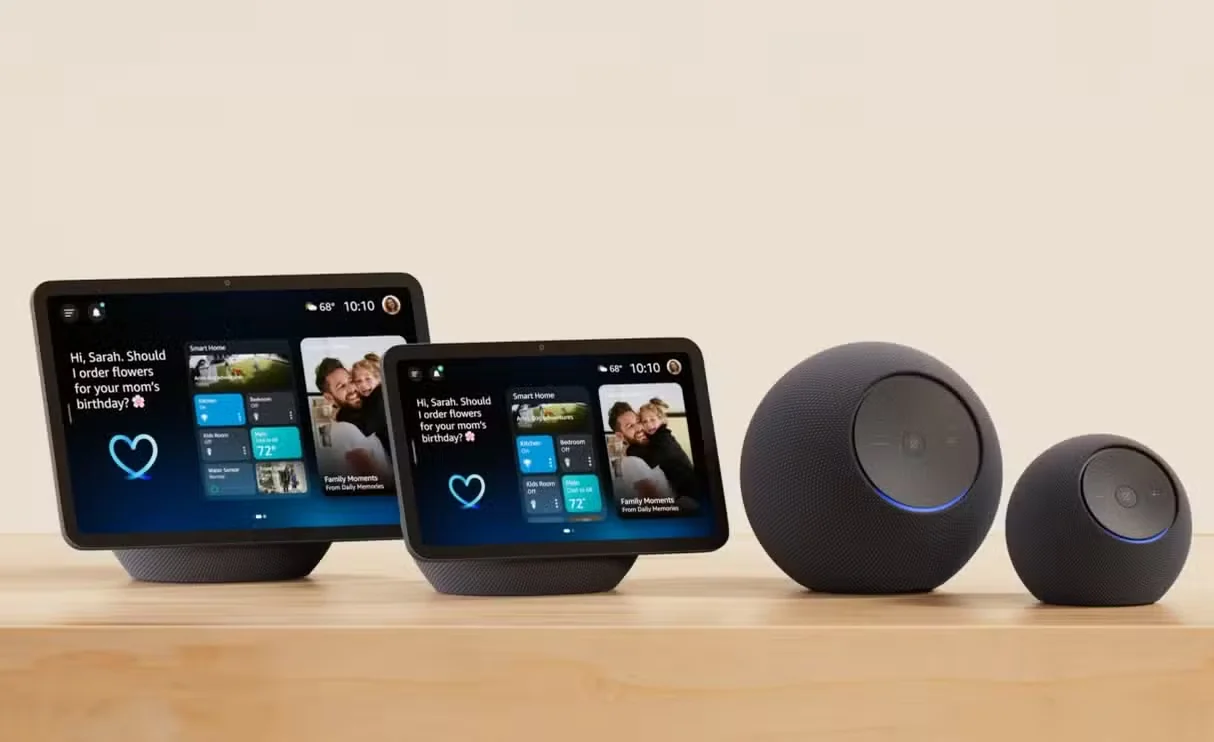
Owners of Google Home devices woke up to a mass exodus of their connected speakers, displays, and thermostats from the ecosystem, with devices showing as offline, unresponsive, or simply vanished from the Home app in numbers too large to dismiss as coincidence. The reports spread quickly through support forums and community threads, and the shared experience made one thing clear: whatever had happened, it was not a problem with individual Wi-Fi networks or a handful of defective units. It was a systemic event, and Google's installed base felt it at the same moment.
Incidents like this expose a structural truth about platform-dependent smart homes. When a speaker, display, or thermostat depends on cloud authentication to function, a server-side failure can silence an entire house regardless of how reliable the local network is. The devices that survive outages best are those with robust local control, which is precisely the direction Google has invested in over the years with matter and thread. Yet a login or directory failure at the account layer can still strand hardware that otherwise works perfectly, and no amount of local processing helps if the phone app cannot see the device list at all.
For owners caught in the disruption, the practical recovery path was mostly patience and a few reliable tricks: power-cycling the device, re-signing into the Home app, and in stubborn cases removing and re-adding the device to the home. Google acknowledged the issue and moved toward resolution, and follow-up reports confirmed service was restored for most users. The episode still deserves to be remembered as a warning: the more of your household that depends on a single company's servers, the more a single outage becomes a home-wide event, and the value of local fallbacks is only ever appreciated on the day they are needed.