Google has made Gemini for Home substantially faster, shipping a performance update that cuts the delay between finishing a sentence and receiving an answer across the company's smart displays and speakers. The change is the kind that does not photograph well in a press release but transforms daily use: when an assistant thinks quickly, it feels competent, and when it hesitates, it feels like a machine straining to keep up. For a product built around conversational AI, latency is not a polish detail; it is the core experience.
Gemini arrived in the home promising a generational upgrade over the Assistant it replaced, with multi-step reasoning, better follow-up questions, and the ability to handle genuinely open-ended requests. The trade-off in the early days was speed, because the underlying models are heavier than the old command-matching engine, and users noticed every extra second on a kitchen timer request or a weather check. Google's engineering response has focused on routing simpler queries down faster paths while reserving the full model for conversations that need it, and the result of that work is now visible in everyday interactions.
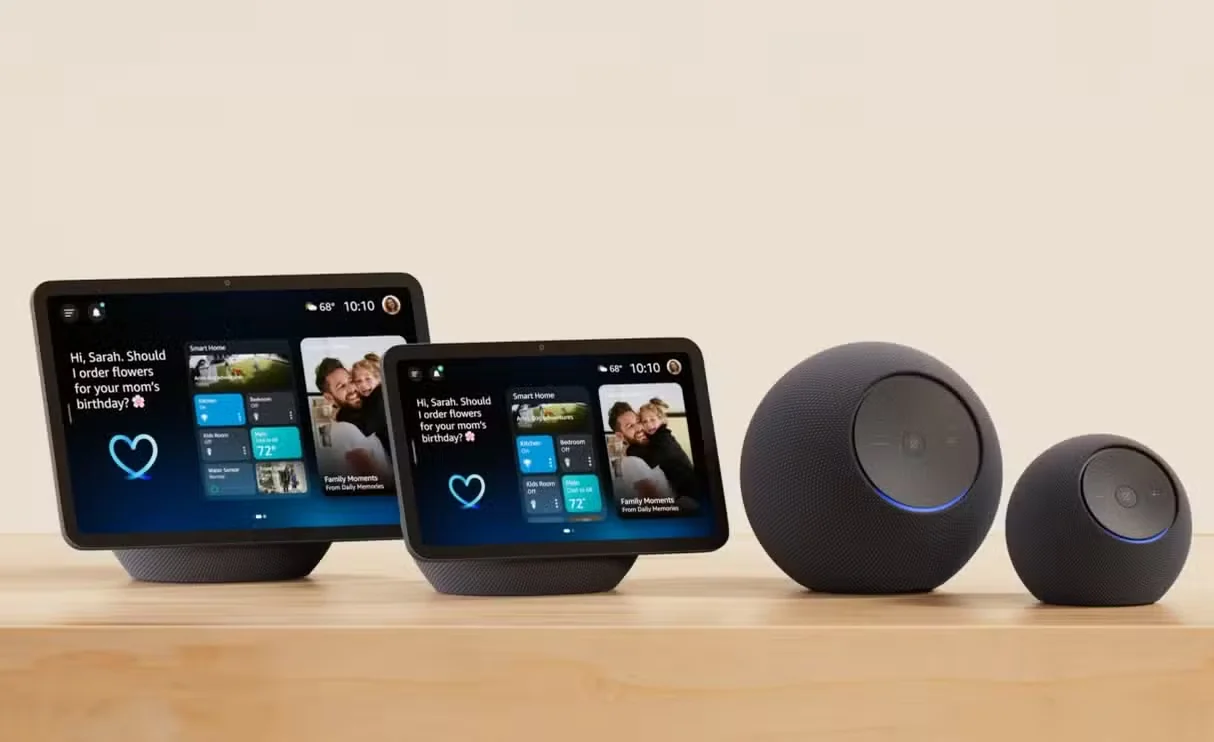
The broader significance is competitive. Amazon has spent months promoting Alexa+ as the intelligent successor to its original assistant, and Apple is expected to lean on its own model upgrades to keep Siri relevant. Google's advantage has always been the raw capability of its AI stack, but capability that arrives slowly loses to adequacy that arrives instantly. By closing the speed gap, the company removes the most common complaint from owners of its displays and strengthens the case that a screen on your counter is a reasonable place to run a frontier model. If you have a Nest Hub gathering dust, this update is a good excuse to plug it back in.