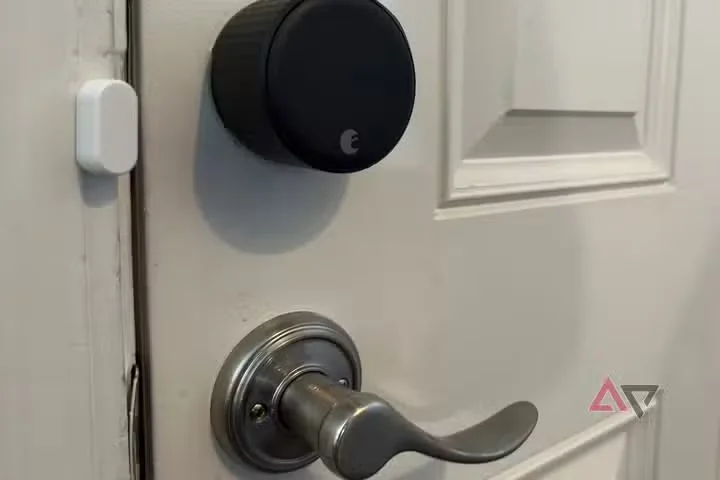
Samsung Wallet has quietly become the keeper of your front-door keys, adding support for smart locks that lets a Galaxy phone or Galaxy Watch unlock compatible doors directly from the wallet app. The update completes a long-promised arc in Samsung's mobile identity strategy: the same secure element that already holds payment cards, boarding passes, and digital IDs now stores the credentials that open physical buildings, turning the phone into a single object that carries everything a person needs to move through a day.
The mechanism matters more than the convenience. Digital key credentials live in hardware-backed storage rather than in an ordinary app, which means the lock authenticates the phone the way it would authenticate a dedicated fob, with cryptographic challenges that are resistant to cloning. Support for near-field and ultra-wideband standards means a door can be opened without pulling the phone from a pocket on compatible installations, and the same infrastructure handles hotel keys, office access badges, and car doors. For households where everyone already carries a Galaxy device, the practical result is the end of spare keys, lost fobs, and the awkward conversation about who gets a copy.
The caveats are the familiar ones for any digital-key rollout. Lock compatibility is still a patchwork: only models that implement the relevant Car Connectivity Consortium and Fi Alliance standards will work, and older smart locks will never gain support no matter how much the software improves. Battery life on the phone becomes a door-and-key question, because a dead battery can strand you outside, which is why most digital key systems preserve a small window of power for last-try unlocks. And when a phone is lost, the revocation process needs to be as reflexive as cancelling a credit card. Even with those asterisks, a wallet that opens doors is a genuinely better default than a keyring, and Samsung is proving it one standard at a time.