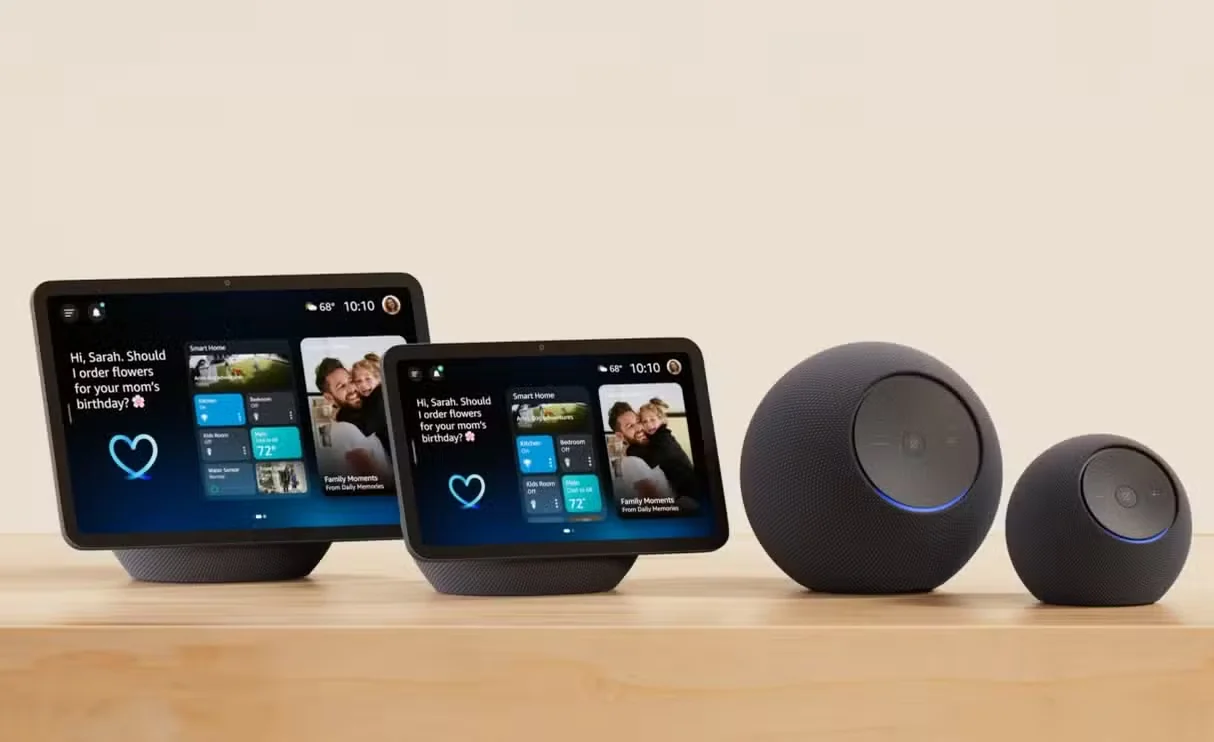
Recommending Google hardware has become an act of faith that fewer and fewer reviewers are willing to make, because the honest answer to the question every buyer asks, will this device still be supported in five years, has become a coin flip. Google's track record is not a rumor; it is a graveyard. Chromecasts that stopped receiving updates, smart speakers orphaned by a migration away from Assistant, a search appliance discontinued, a WiFi router line abandoned mid-lifecycle, and smart displays that never got the successors they were promised. Each casualty was once a confident recommendation by someone who should have known better.
The damage extends beyond individual products to the logic of the ecosystem itself. A smart home is a decade-long commitment: switches, speakers, cameras, and thermostats are expected to keep working while the house around them ages. When one company's hardware can be functionally stranded by a strategy pivot, the risk is not that you lose a gadget, it is that you lose the room it was built into. Google's software and AI work is arguably the best in the industry, and that is precisely what makes the hardware fragility so costly. Gemini for Home deserves devices that will still be on the counter when the assistant is five years old.
None of this means Google hardware is a bad purchase today; it means the purchase comes with a different risk profile than a Sonos, an Apple, or even an Amazon product, and the buyer deserves to know it. The practical advice is to buy Google hardware for the software you are getting now, not the ecosystem you hope to grow into, keep critical functions on open standards like matter, and never build a whole house on a single vendor's goodwill. The alternative is to keep watching a company that is more talented at building products than at keeping them.