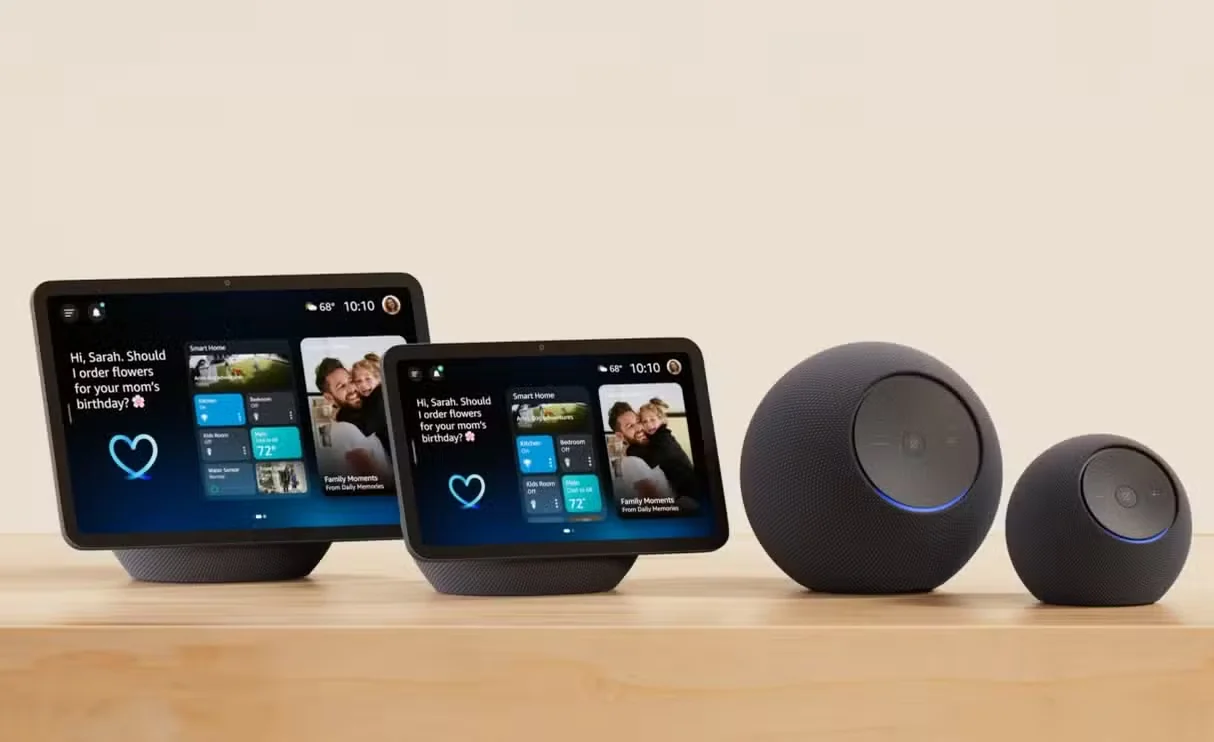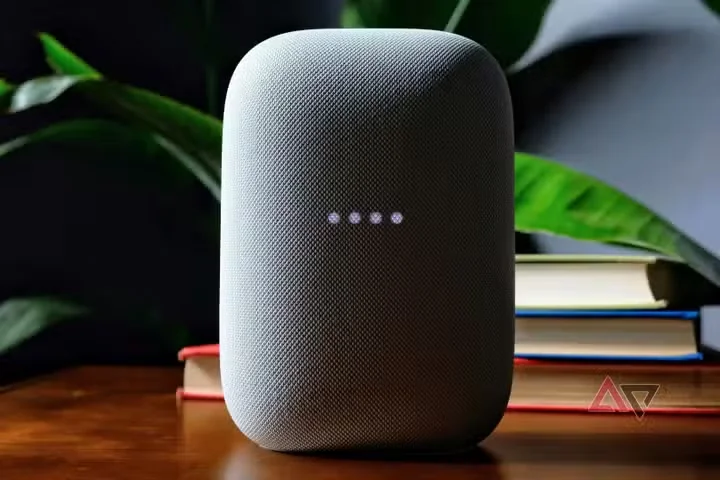
OpenAI is developing a smart speaker priced around three hundred dollars with a built-in camera, a device that signals the company's intent to stop renting its intelligence to other people's hardware and start owning the interface where it lives in the home. The reported price point places the product far above Amazon's Echo line and squarely in premium territory, which tells you what OpenAI believes it is selling: not a speaker, but a physical embodiment of an assistant that can see, listen, and converse.
The camera is the detail that separates this concept from the hundred failed smart displays that preceded it. A chatbot that can watch the room enables interactions that text and voice alone cannot: a cooking assistant that sees what is on the cutting board, a home tutor that reads a child's worksheet, a security check that distinguishes a family member from a stranger. OpenAI has reportedly been exploring a broader family of consumer devices with designers and engineers attached to the project, and the speaker is described as an early step toward an ambient AI companion rather than a one-off gadget.
The skepticism is well earned. Every company that has entered the living-room screen has overestimated how much time people want to spend talking to furniture, and the privacy implications of a camera on a countertop, connected to a cloud model, are exactly the kind of thing that generates congressional hearings. A three-hundred-dollar price also puts the device in conversation with phones and laptops, not with the fifty-dollar speakers that built the category. But the incumbents should be nervous. ChatGPT already has hundreds of millions of users who trust it with their questions; a device that brings that trust into the home, with eyes and ears attached, is the most credible threat to the Alexa generation of smart speakers in a decade.