A homeowner who swapped an entire house of Philips Hue bulbs for a significantly cheaper alternative reports no regrets, and the experience illustrates how far the smart-lighting market has come since Hue effectively defined the category. Hue built its reputation on reliability, color accuracy, and an ecosystem of switches and sensors that competitors spent years failing to match. That lead has narrowed to the point where budget alternatives now deliver most of the experience for a fraction of the price, and the premium that once justified the flagship name no longer automatically makes sense for every household.
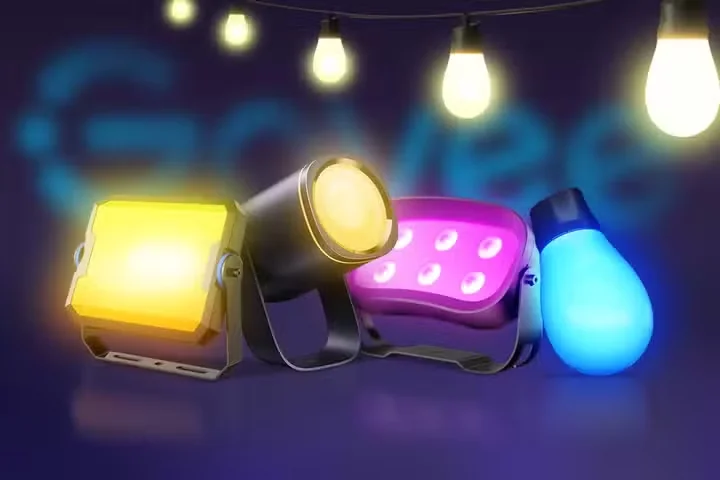
The savings compound quickly in a lighting system, because a home runs on dozens of bulbs, and the price gap per socket multiplies across every fixture. Modern budget smart bulbs offer the features that used to be Hue's exclusive territory: rich color palettes, tunable white temperature, schedules, scenes, and integration with the major voice assistants. Many now connect directly over Wi-Fi or Bluetooth without a proprietary hub, eliminating the gateway cost entirely, and the newer Matter-based products slot into any ecosystem rather than demanding loyalty to one.
The trade-offs are real and worth naming before anyone rips out their Hue setup. Budget bulbs tend to be dimmer at the low end of their range, less consistent in color matching between batches, and more prone to the offline dropouts that a dedicated zigbee mesh handles gracefully. The app experience is usually rougher, and the long-term software support is a gamble on a smaller company surviving the next two years. But for households whose lighting ambitions stop at color, schedules, and voice control, the cheaper route now delivers the daily experience at a price that leaves room in the budget for more bulbs, and the switch has proven permanent enough to recommend.