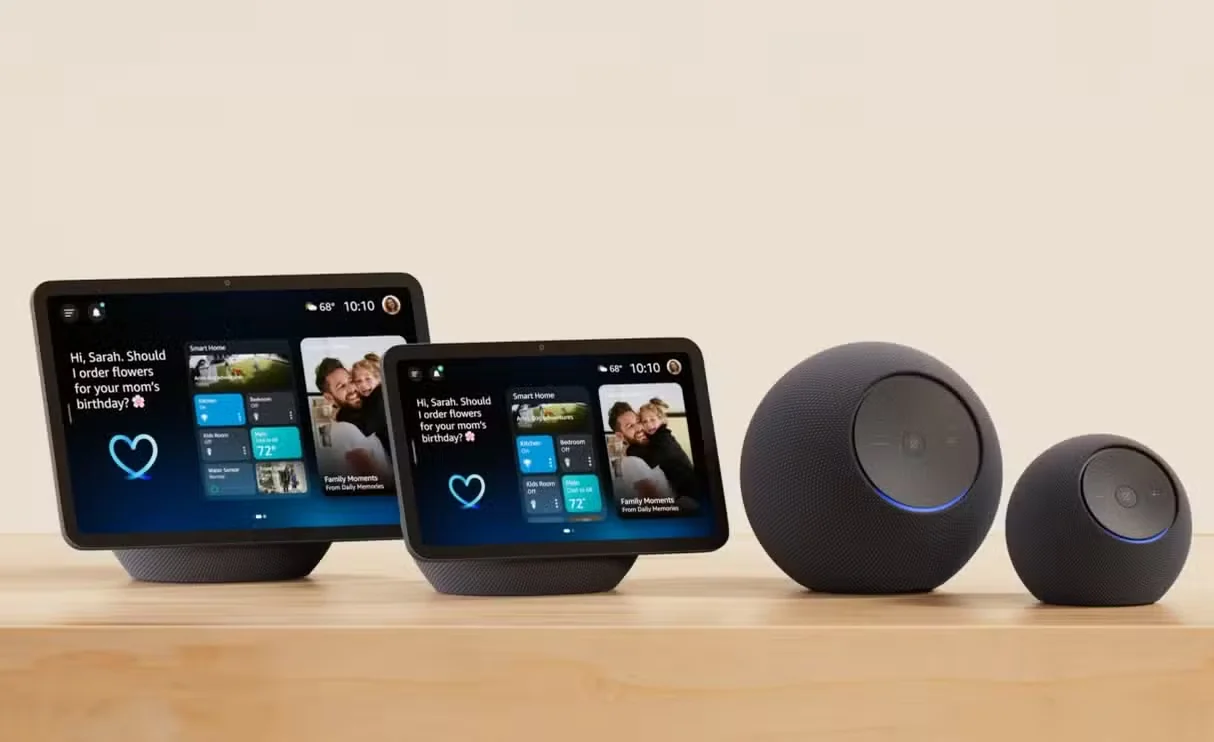
Amazon has spent a decade selling Kindles and Echos at razor-thin margins, treating the hardware as a loss leader for the content and services economy behind it. That era appears to be closing. Price increases of up to 60 percent have quietly landed across parts of the device lineup, repositioning products that used to be impulse buys as considered purchases — and, for the first time, making several competitors look genuinely attractive.
The logic is not mysterious. Devices that once served as gateways into Amazon's ecosystem no longer need subsidization to win shelf space, and higher prices extract value from a customer base with little switching incentive. But that structure changes the moment the discount disappears. Kobo readers and other e-ink makers now sit within striking distance on price, while Google and Sonos speakers absorb buyers who would previously have added a third Echo without thinking.
What is still worth buying depends on what the device is for. If a Kindle exists to feed a large Kindle book backlog, the ecosystem gravity may still outweigh the sticker shock. If an Echo is a smart-home controller, the price matters less than its integration depth. For first-time buyers with no library lock-in, the math now favors comparison shopping, and refurbished or older-generation Amazon hardware has become a quietly rational option.
The larger lesson is about the end of the subsidy economy in smart homes: when the cheapest door into an ecosystem stops being cheap, the ecosystem has to sell itself on something else entirely.