Google shipped a QR code mechanism intended to smooth the notorious friction of smart home onboarding — the endless dance of pairing modes, network passwords, and accounts that never seem to recognize each other. The fix is sensible. It is also, for one writer who went the opposite direction, arriving at a store he already closed.
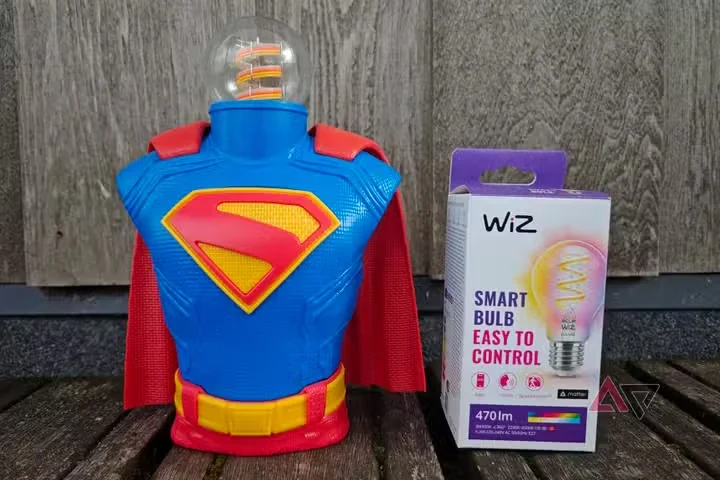
His experiment was deliberately minimal: a single smart bulb, wired directly to a local AI system of his own construction. No hub. No dongle. No Gemini. No subscription. The bulb listens to a model running on hardware inside the house, which means voice control works during internet outages, no company can read the command history, and nothing phones home for a feature that used to require a monthly fee. Setup took less time than the account creation Google's QR flow still assumes.
That local-first approach is not for everyone, and the trade-offs are real. Configuration means editing files or learning a rules engine instead of scanning a code. Remote access, shared household control, and the polished surprise-and-delight features of a commercial assistant all require manual assembly. Google's QR fix is precisely aimed at the majority who want the hosted version to simply work, and for them it is a genuine improvement in day-one experience.
The tension between the two philosophies defines the current smart home moment. Platform vendors are racing to lower the barrier to entry; a loud minority is racing to remove the entry entirely. The QR code and the local bulb are answers to different questions, and both answers are getting sharper.