
Pets are more than just animals – they are family. Just like humans, pets can fall sick, get injured, or need medical treatment. Veterinary costs can often be very high, which is why pet insurance has become increasingly popular among pet owners.
In this guide, we will explain what pet insurance is, how it works, the different types of coverage available, and tips for choosing the right plan for your furry friend.
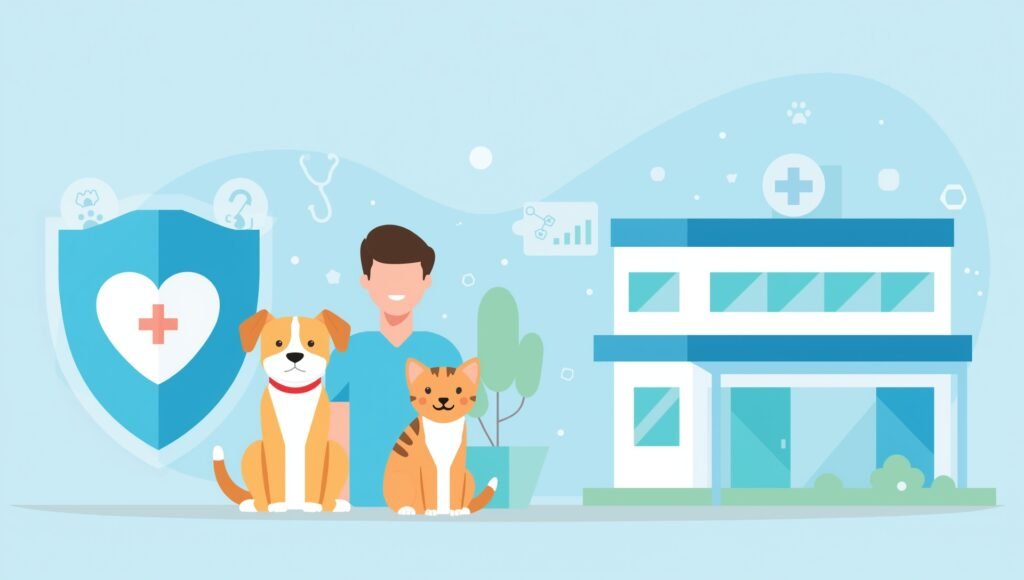
What is Pet Insurance?
Pet insurance is a type of health coverage for animals. It helps owners manage the costs of veterinary care by paying a monthly or yearly premium. In return, the insurance company covers part of the medical expenses for your pet, depending on the policy.
This includes treatments for accidents, illnesses, surgeries, and in some cases, routine care like vaccinations and check-ups.
Why is Pet Insurance Important?
- Financial Security – Unexpected vet bills can be very expensive. Insurance helps manage those costs.
- Peace of Mind – Owners don’t have to choose between money and their pet’s health.
- Better Care – With insurance, you can afford advanced treatments without worrying about cost.
- Coverage for Accidents and Illnesses – Pets are curious, and accidents can happen anytime.
- Long-Term Health – Regular check-ups and preventive care are often included in premium plans.
Types of Pet Insurance Plans
1. Accident-Only Coverage
This type of plan covers injuries caused by accidents such as broken bones, poisoning, or emergency surgeries. It is the most affordable option but does not include illnesses.
2. Accident and Illness Coverage
This is the most popular type. It covers accidents as well as illnesses like infections, allergies, diabetes, or cancer treatments.
3. Comprehensive Coverage
Covers accidents, illnesses, hereditary conditions, and sometimes even preventive care such as vaccinations and dental cleaning.
4. Wellness Plans (Optional Add-on)
Covers routine care like vaccinations, flea control, spaying/neutering, and annual check-ups.
What Does Pet Insurance Cover?
- Emergency care
- Surgeries
- Hospitalization
- X-rays, scans, and lab tests
- Chronic illness treatments (like diabetes)
- Prescription medications
- Some policies cover alternative therapies like physiotherapy
What is Not Covered?
- Pre-existing medical conditions
- Cosmetic procedures (like ear cropping or declawing)
- Breeding and pregnancy-related costs
- Experimental treatments
- Routine check-ups (unless you have a wellness plan add-on)
Factors That Affect Pet Insurance Cost
- Type of Pet – Dogs are usually more expensive to insure than cats.
- Breed – Certain breeds prone to health issues have higher premiums.
- Age of Pet – Younger pets are cheaper to insure than older ones.
- Coverage Type – Comprehensive policies cost more than accident-only plans.
- Location – Vet costs vary depending on where you live.
How Much Does Pet Insurance Cost?
On average:
- Dogs: $30 – $60 per month (depending on breed and age).
- Cats: $15 – $40 per month.
Wellness add-ons can increase the cost but give broader protection.
Benefits of Pet Insurance
- Protects you from unexpected high vet bills.
- Ensures your pet gets timely medical care.
- Helps you budget for pet healthcare.
- Offers flexibility with different coverage options.
- Gives you access to better treatment facilities.
How to Choose the Right Pet Insurance?
- Assess Your Pet’s Needs – Consider age, breed, and medical history.
- Compare Multiple Providers – Look at premiums, coverage, and exclusions.
- Check Claim Process – A fast and simple claim process is important.
- Understand Deductibles – Know how much you need to pay before insurance starts covering.
- Look for Lifetime Coverage – Especially for pets with chronic conditions.
Common Mistakes to Avoid
- Choosing the cheapest plan without checking coverage.
- Not reading the exclusions in the policy.
- Waiting until your pet gets old or sick before buying insurance.
- Forgetting to renew policies.
- Ignoring wellness add-ons that might save money in the long run.
Future of Pet Insurance
Pet insurance is growing as more people treat pets as family. In the future:
- AI-powered health monitoring will be included in plans.
- Telemedicine for pets will be covered.
- Personalized policies based on breed and lifestyle will become common.
- More global coverage as pet travel becomes popular.
Final Thoughts
Pet insurance is an investment in your pet’s health and happiness. From routine check-ups to emergency surgeries, it ensures your pet receives the best care without putting financial stress on you.
By choosing the right plan, understanding what’s covered, and avoiding common mistakes, you can give your furry friend the protection they deserve. After all, pets give us unconditional love, and it’s our responsibility to keep them safe and healthy.